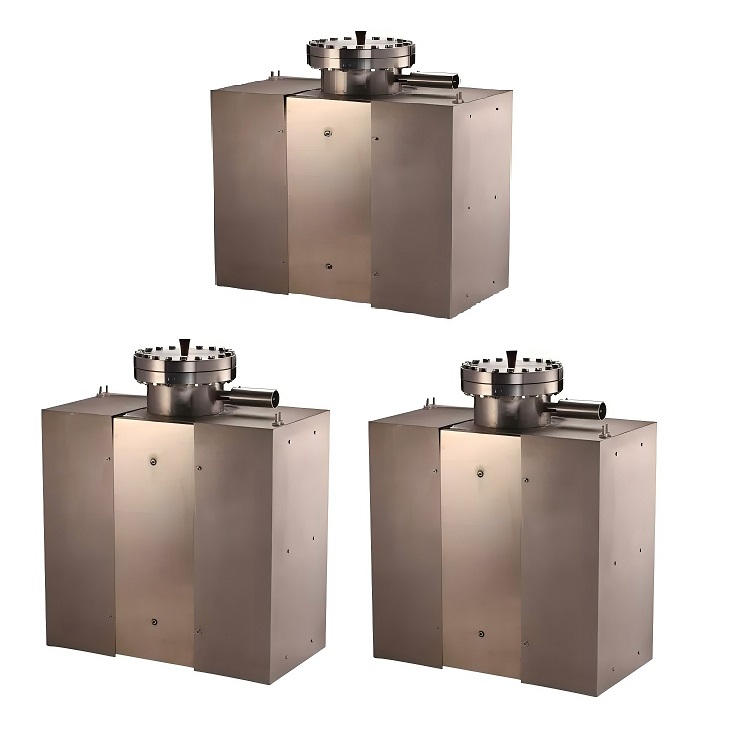
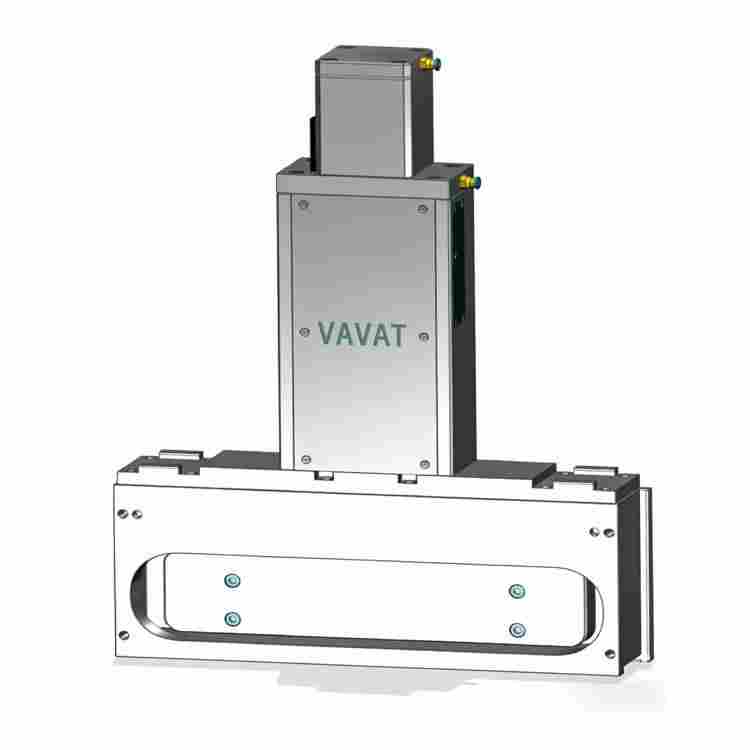
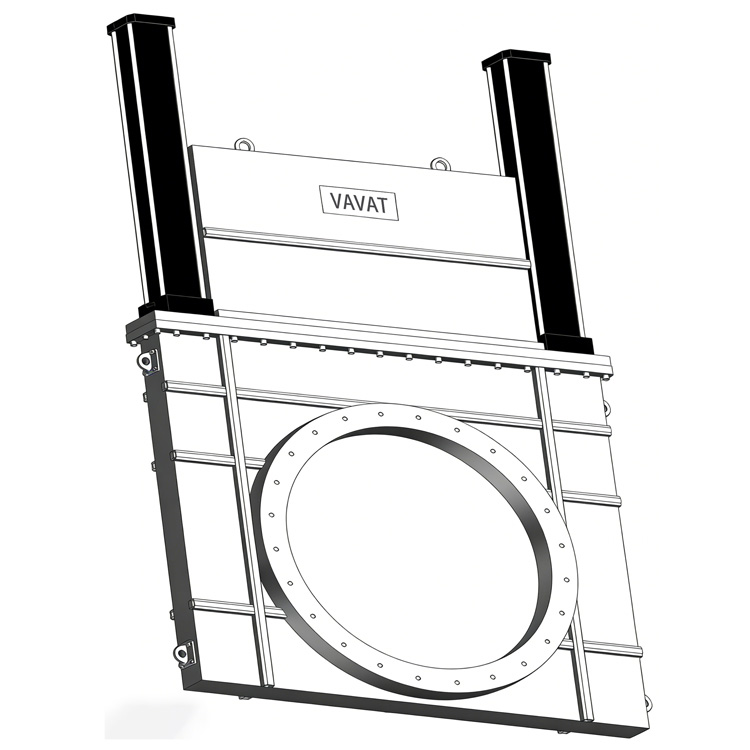
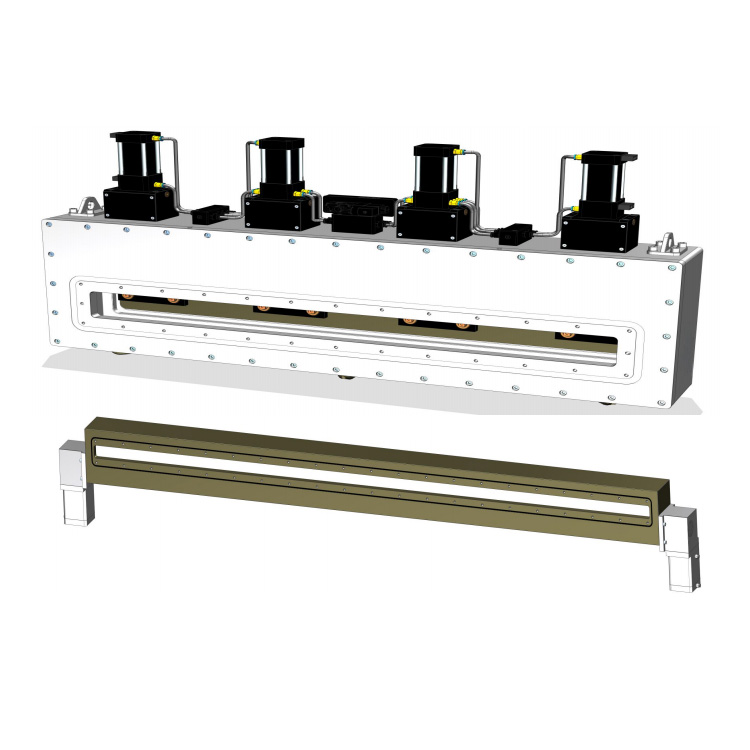
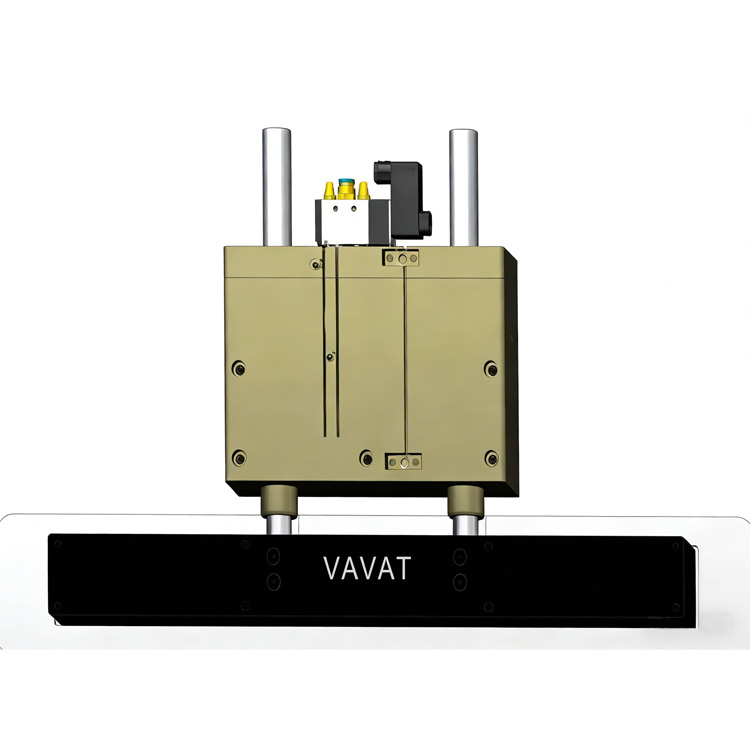
The high-performance High Vacuum J-Type Transfer Valve is a specialized vacuum isolation and transmission device designed for ultra-high vacuum (UHV), high cleanliness, rapid switching, and long-service-life environments. Featuring a compact J-shaped bent structure, this valve is engineered for the full range from ultra-high vacuum to atmospheric pressure (5×10⁻⁸ Pa to 1×10⁵ Pa). It enables rapid isolation, transmission, and sealed disconnection between chambers and pipelines, making it an essential component for advanced vacuum system components.
This equipment boasts significant advantages such as low outgassing, zero leakage, bakeability, dust resistance, and swift operation. It is widely utilized in vacuum coating, semiconductor chambers, vacuum furnaces, scientific research UHV devices, helium leak detection systems, and automated vacuum production lines.
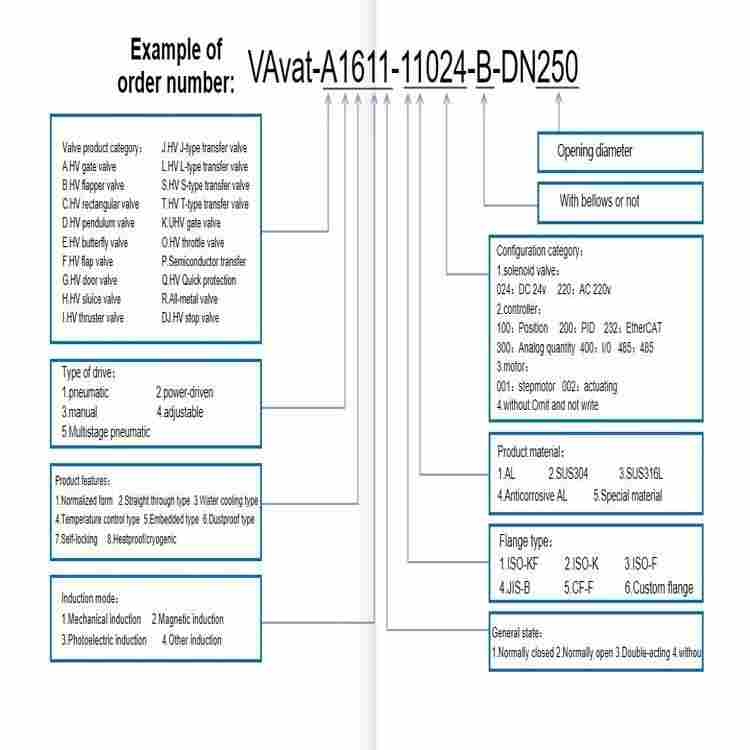
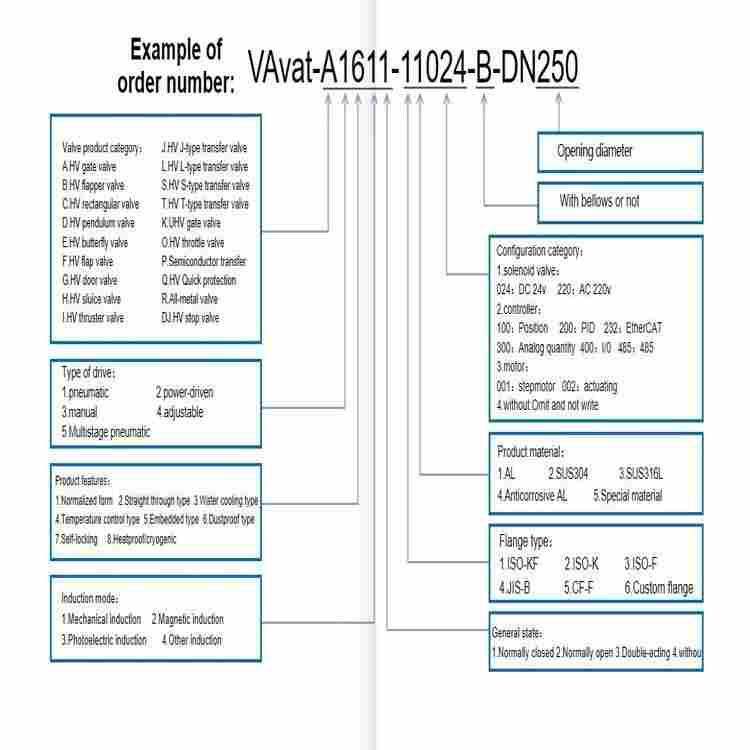
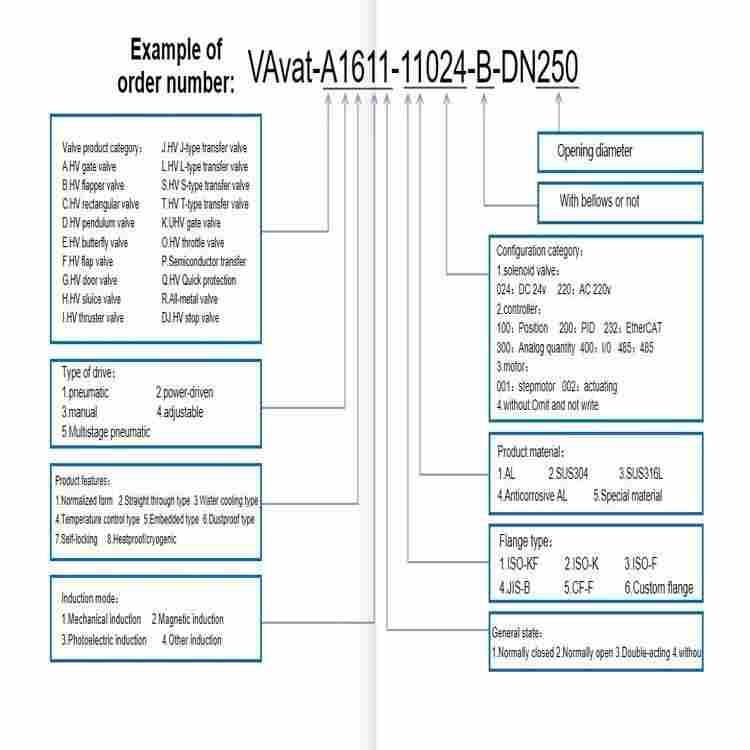
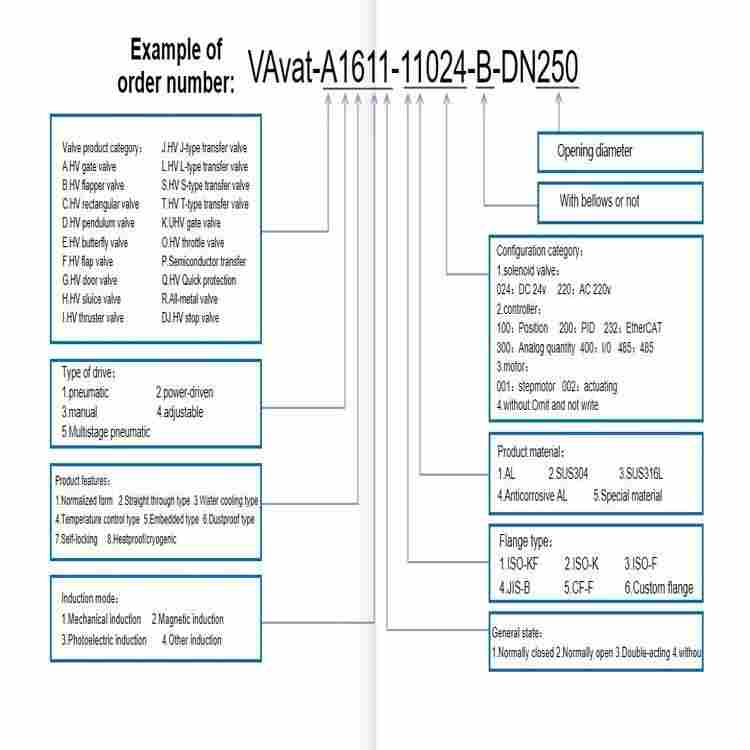
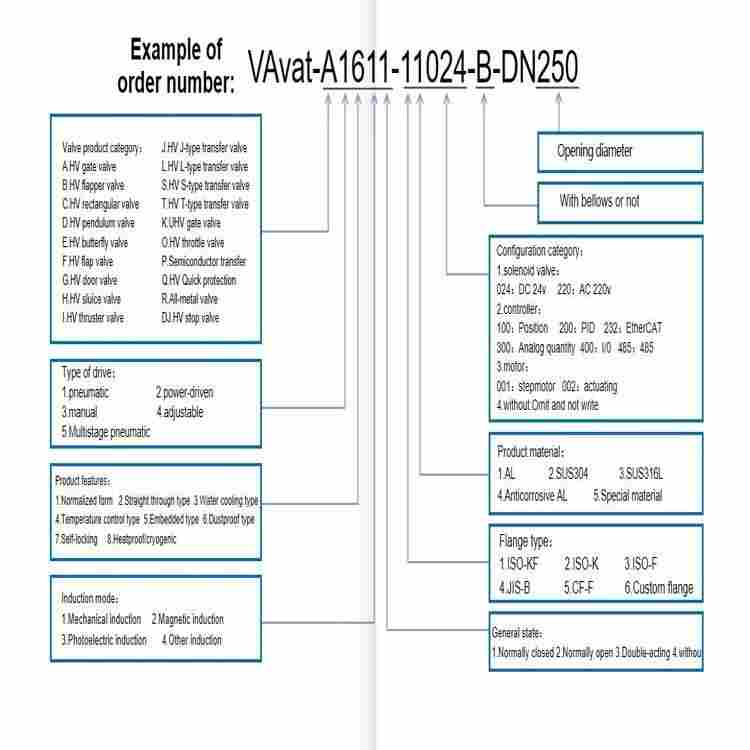
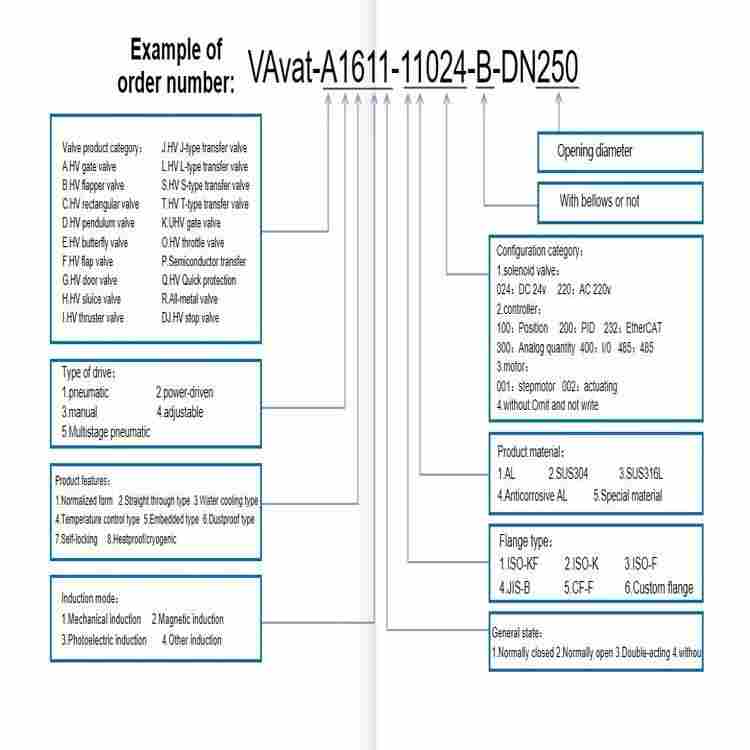
| Opening Diameter | Main Material | Actuator Type | Example Model |
|---|---|---|---|
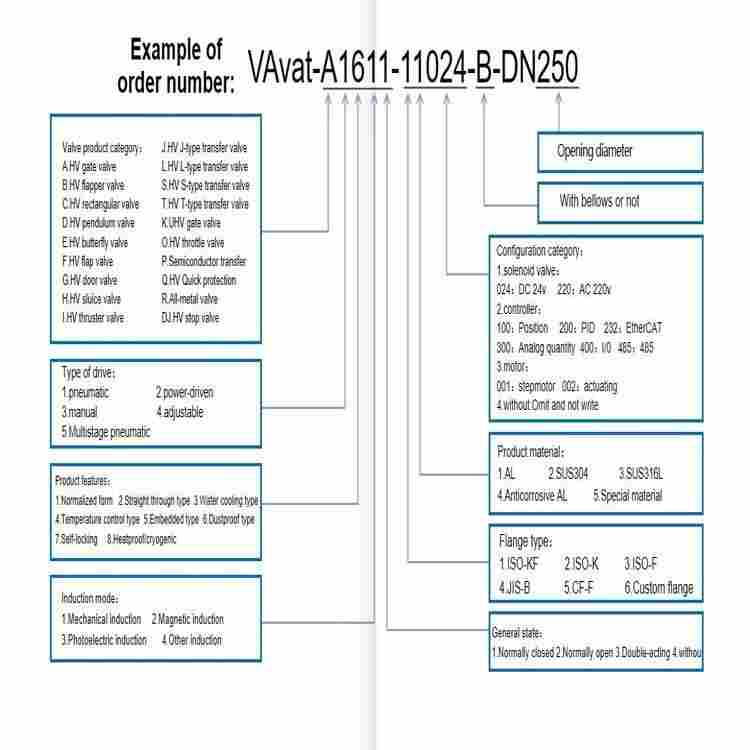
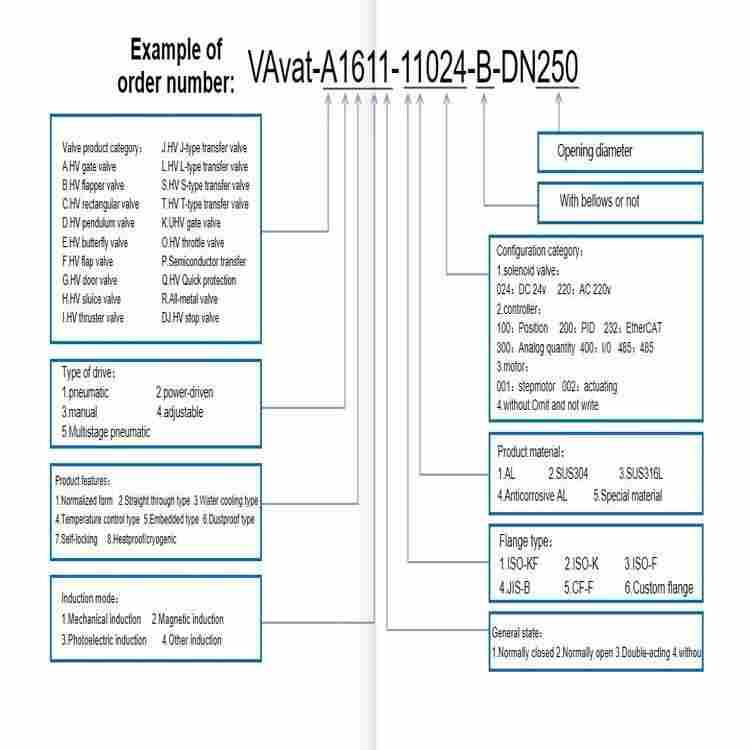
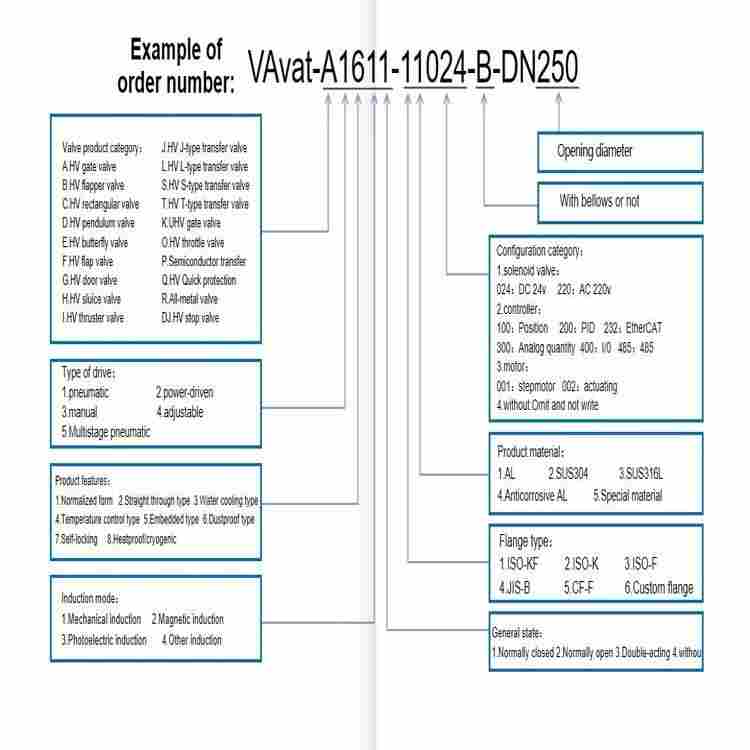
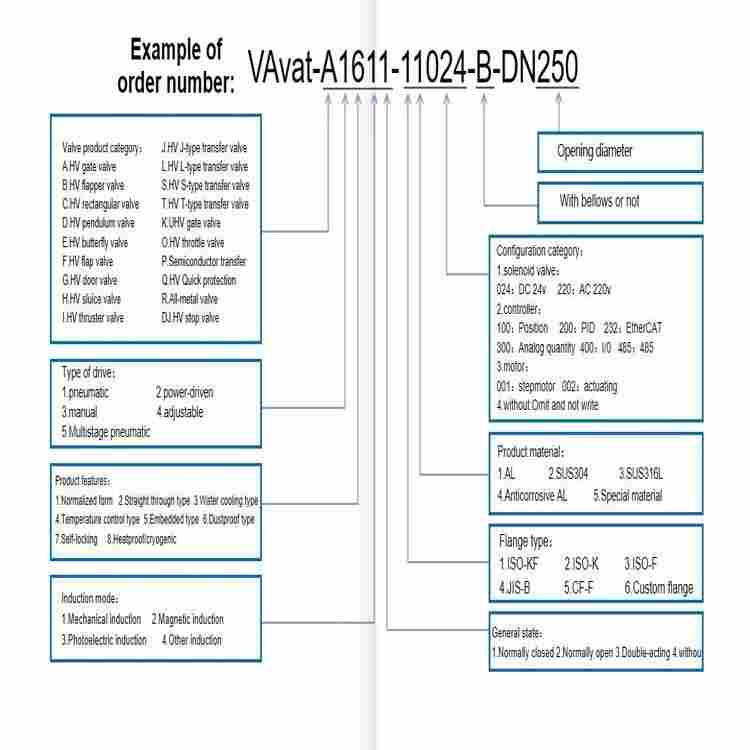
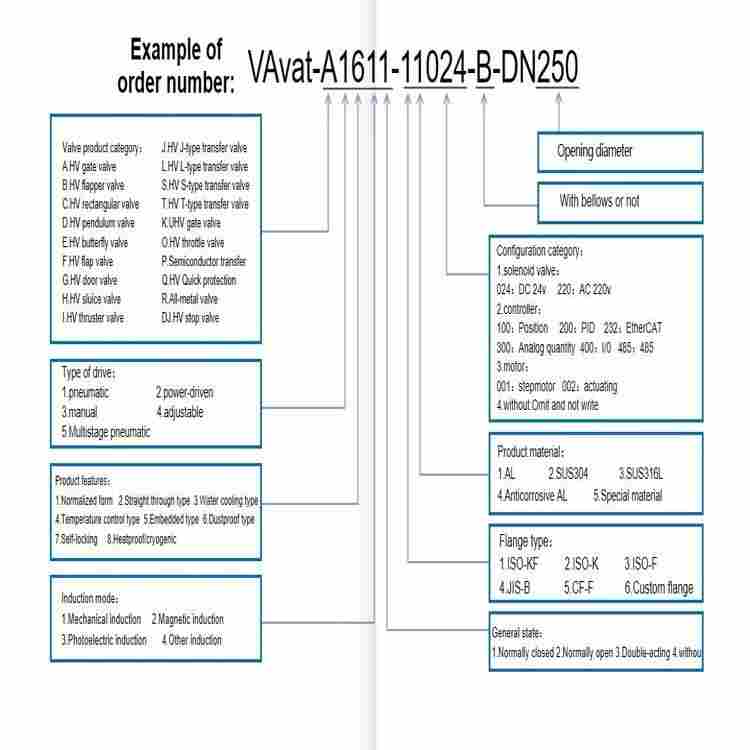
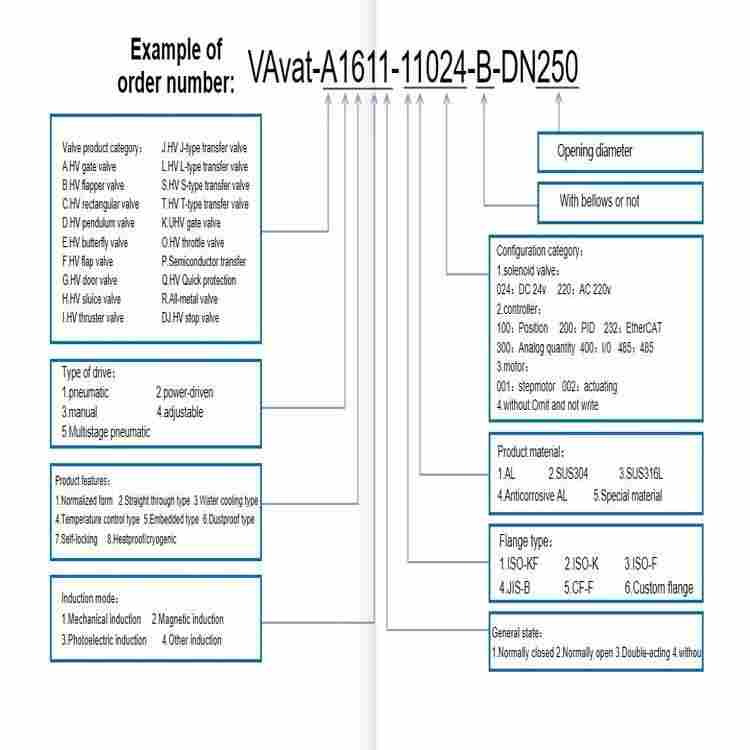
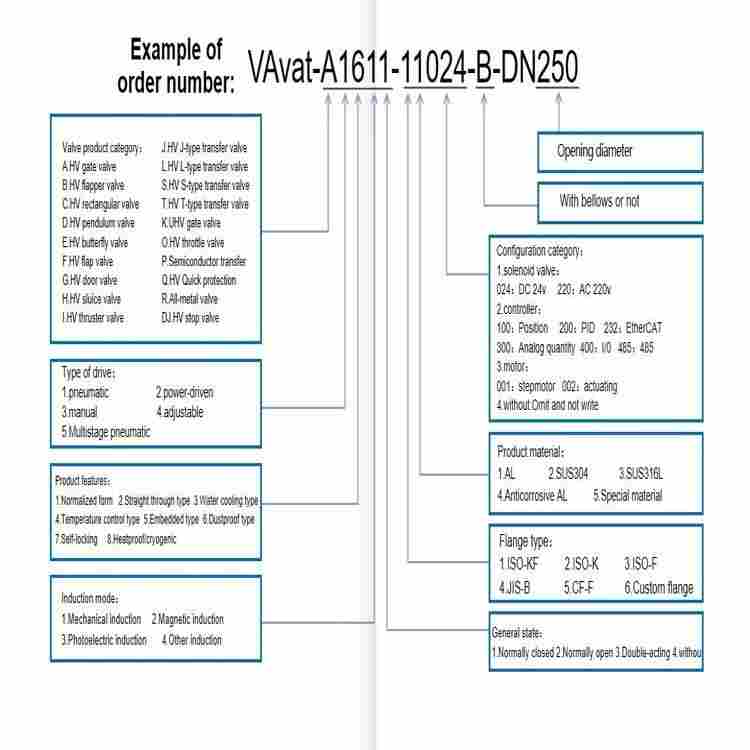
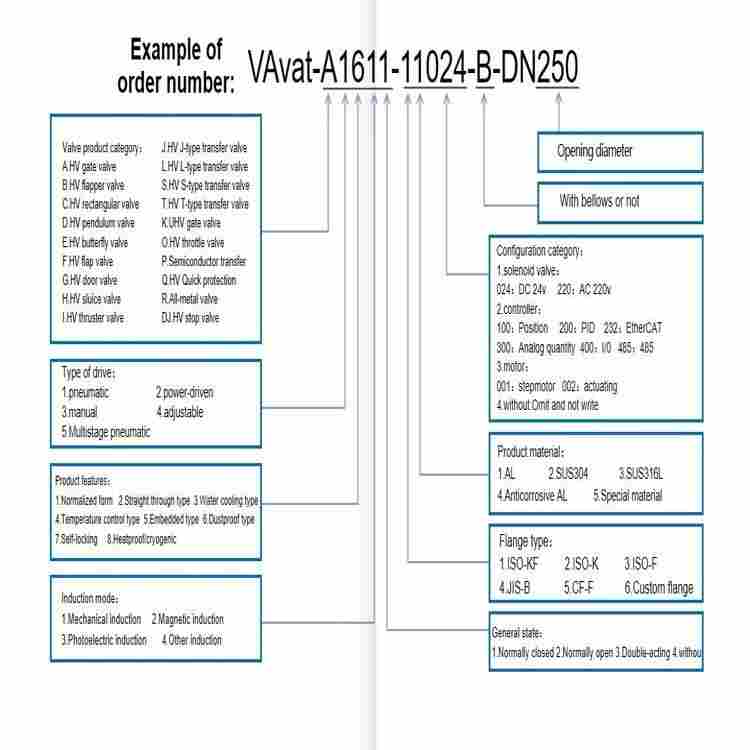
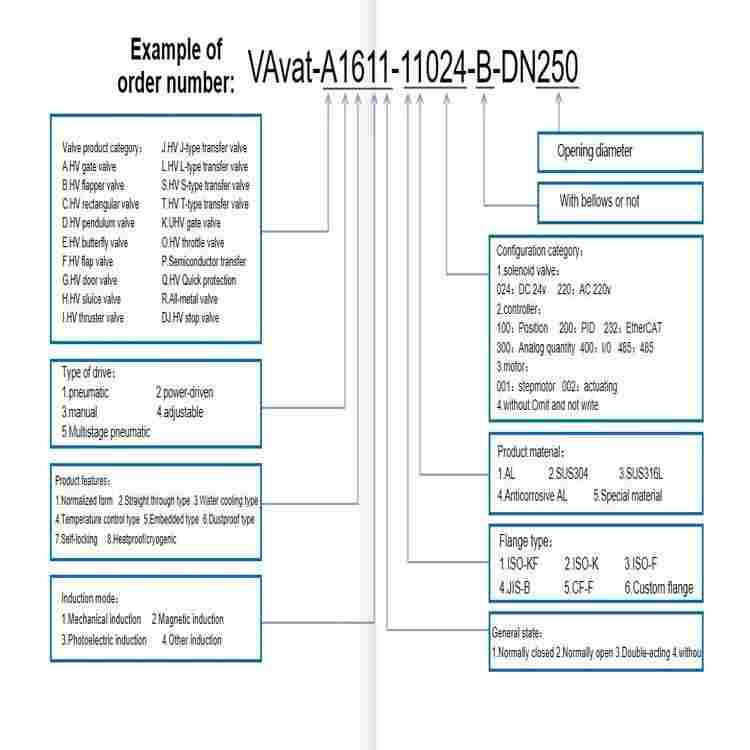
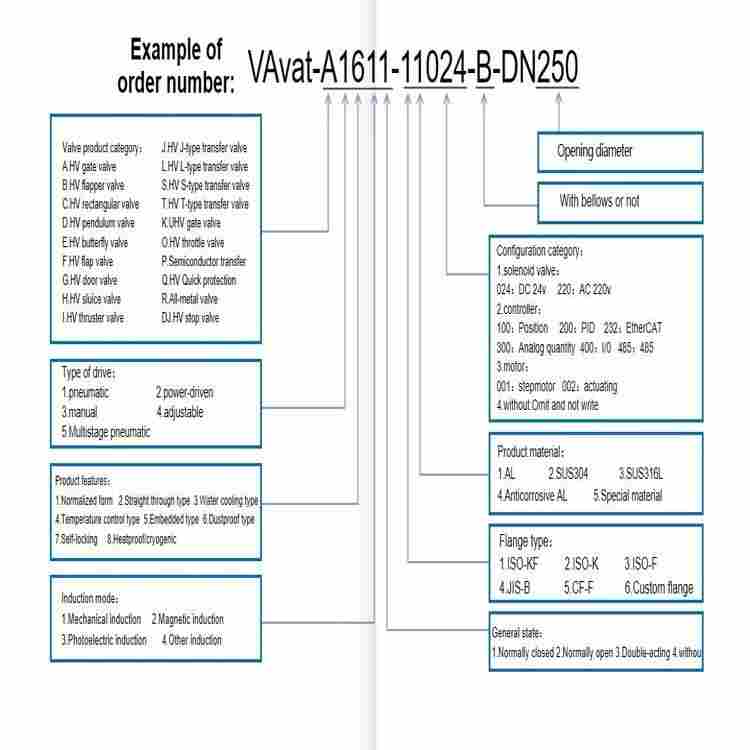
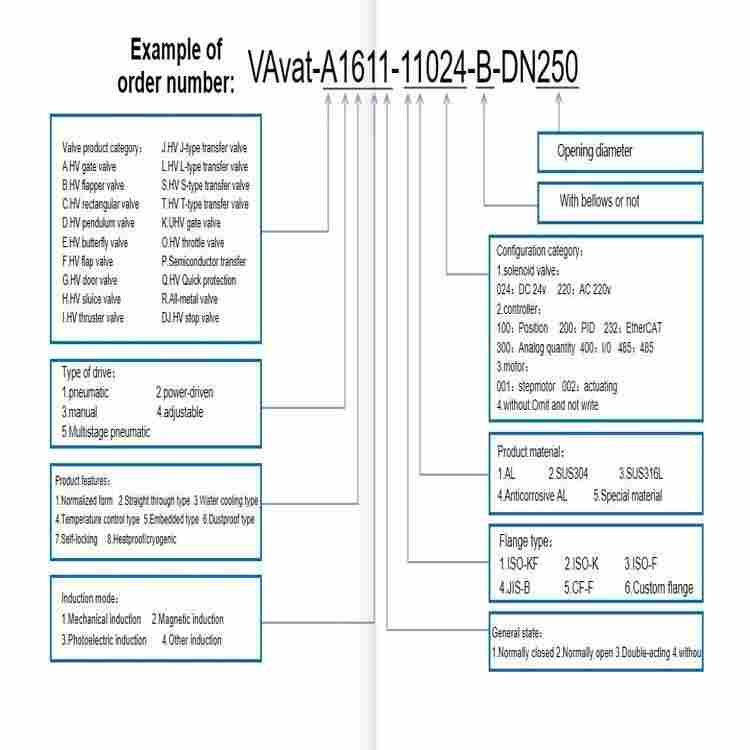
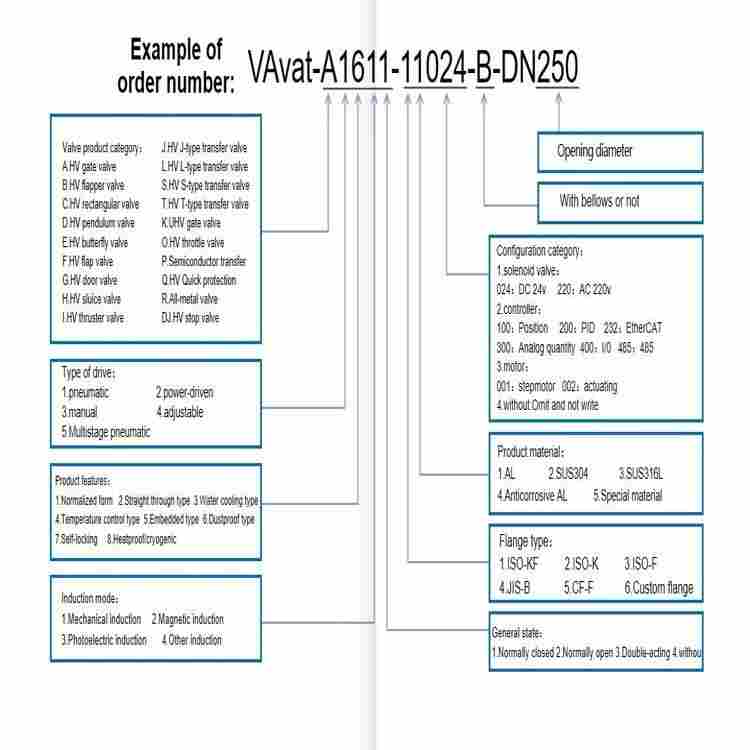
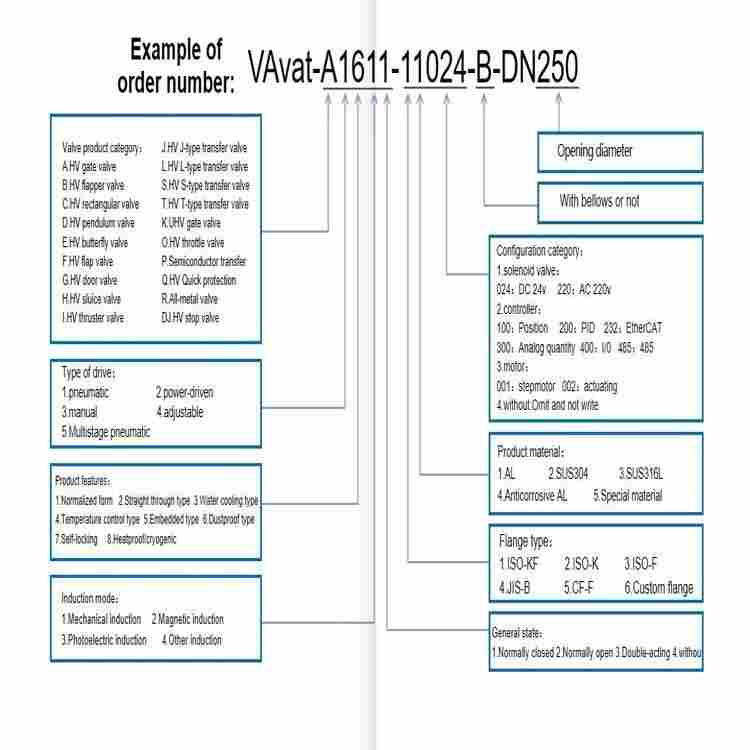
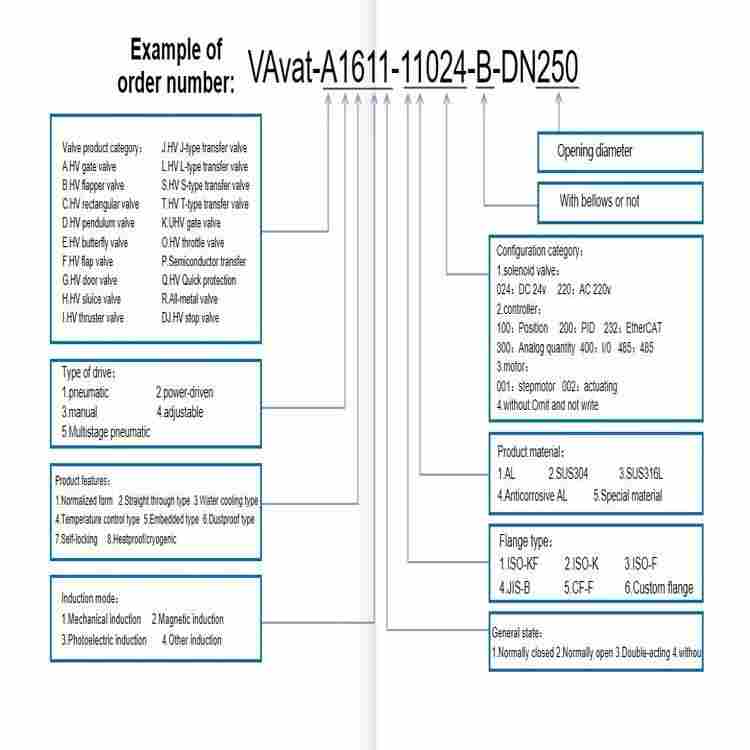
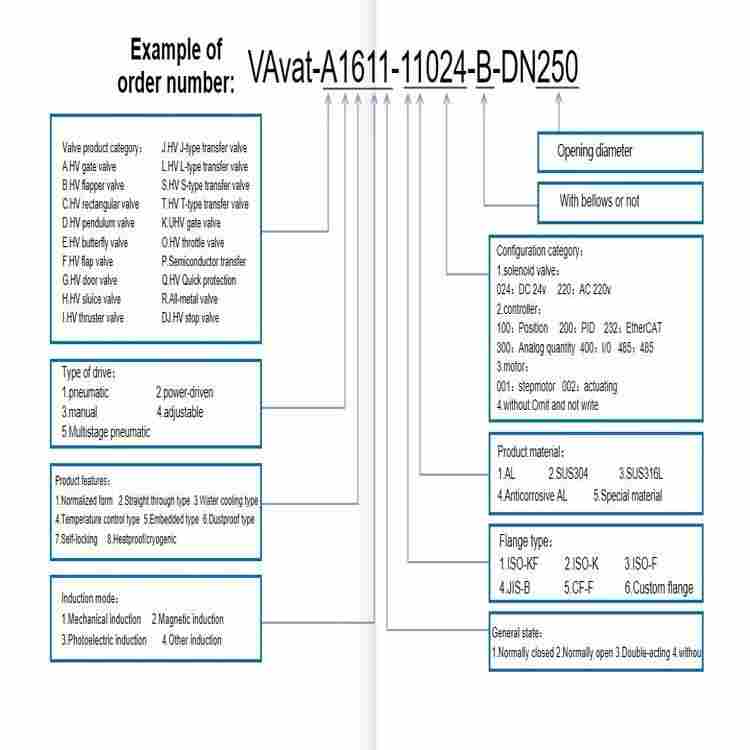
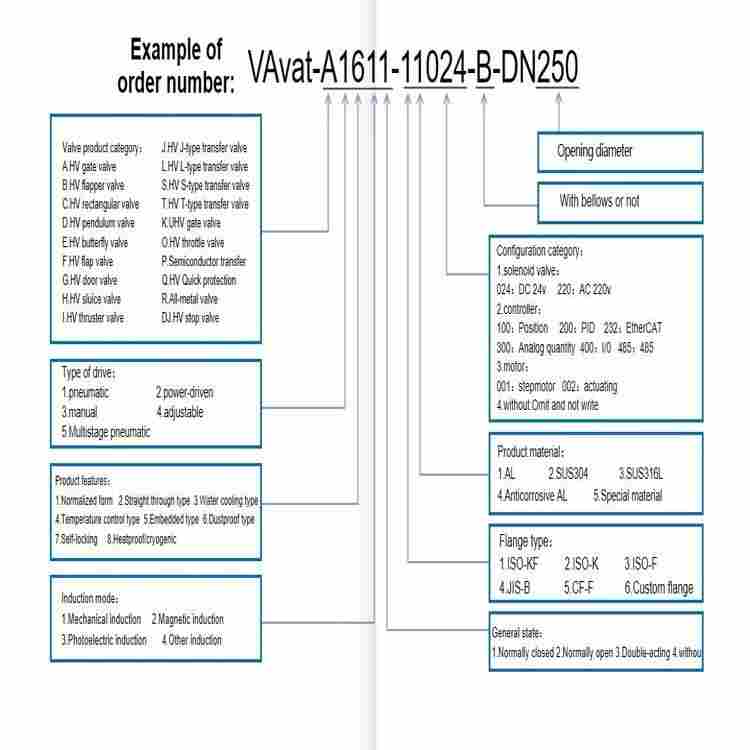
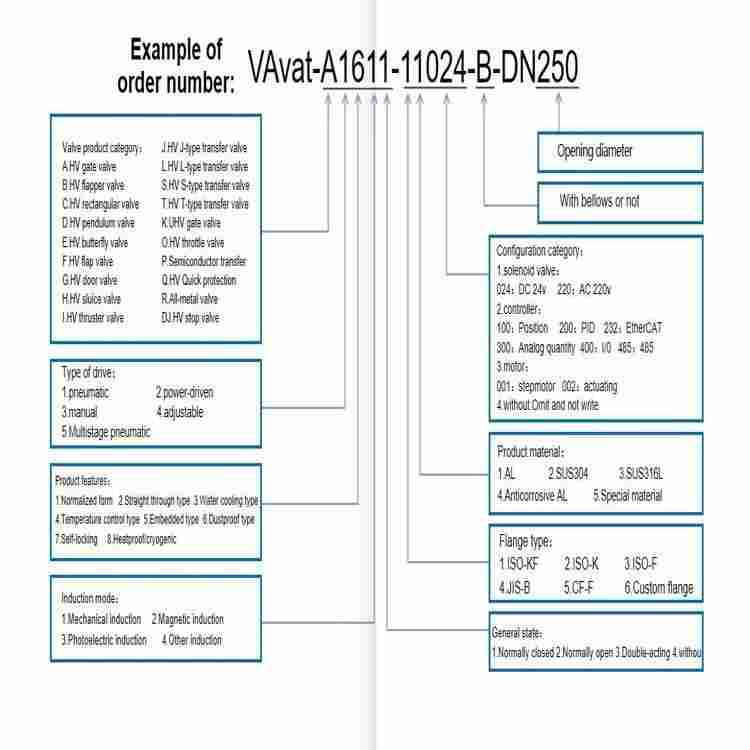
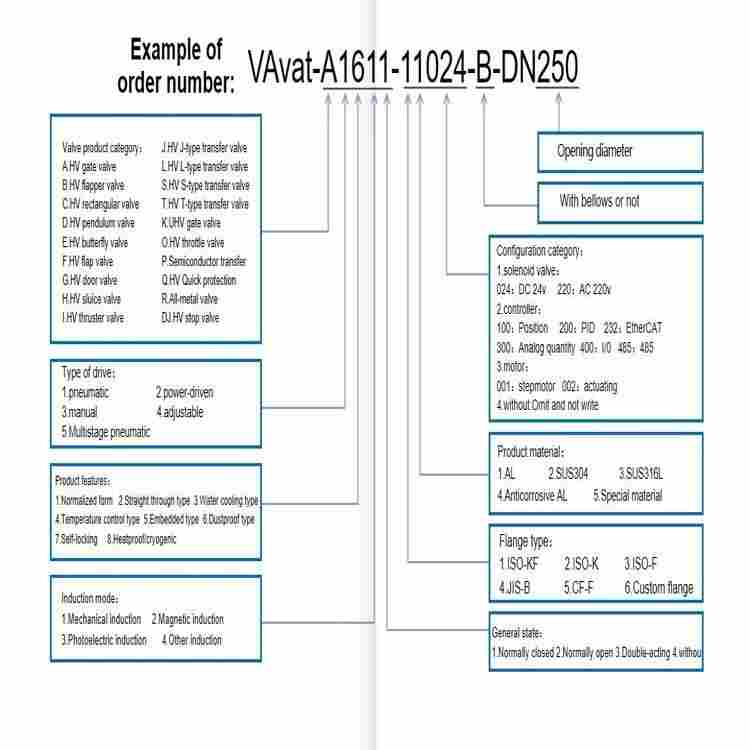
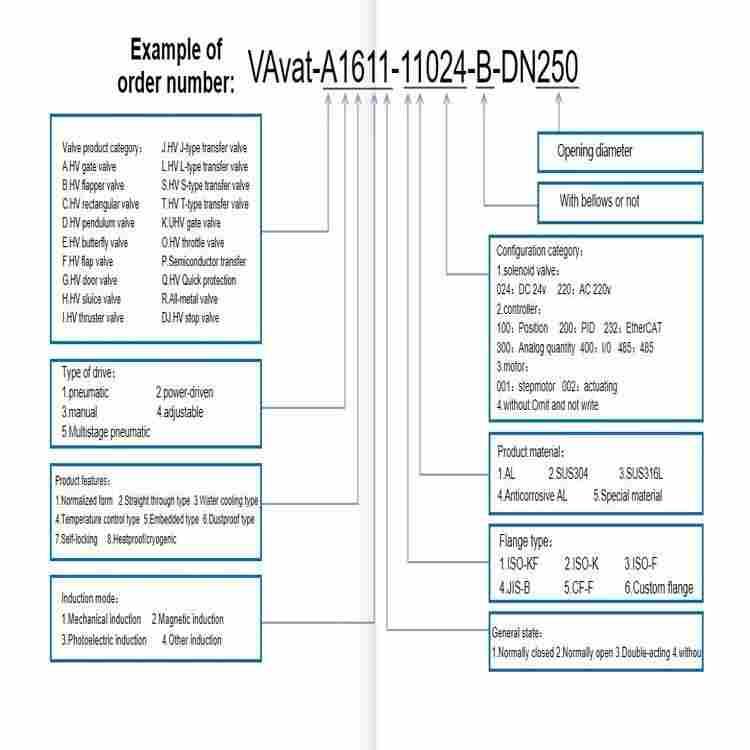
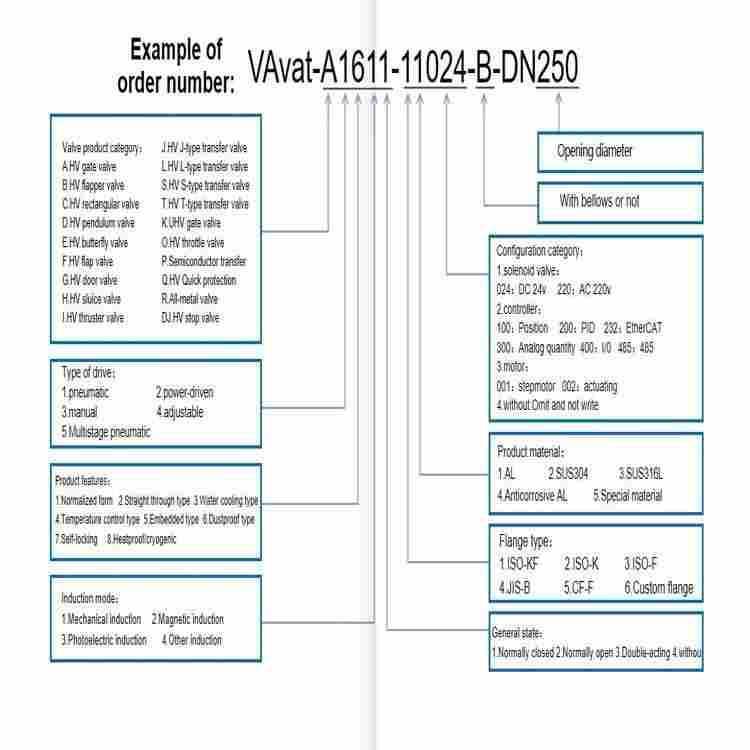
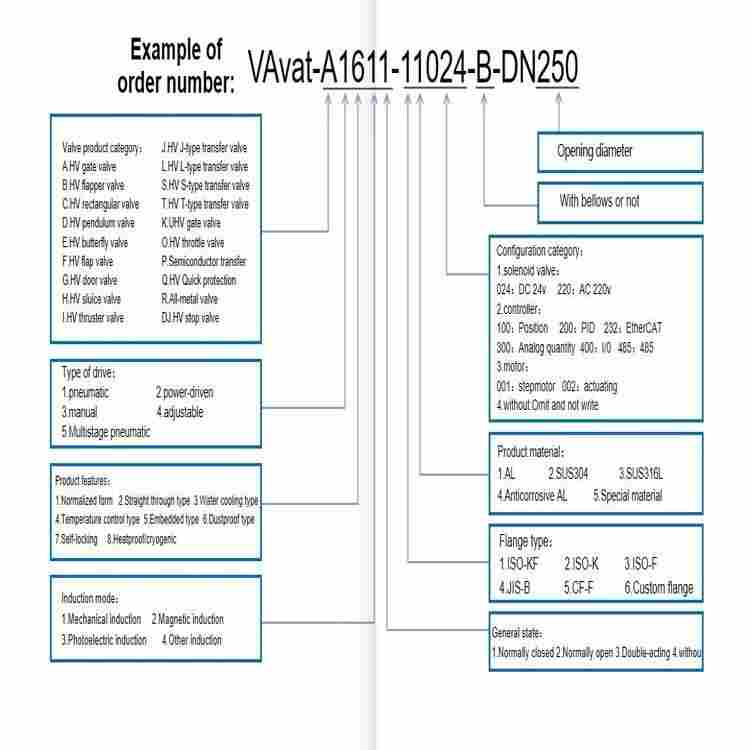
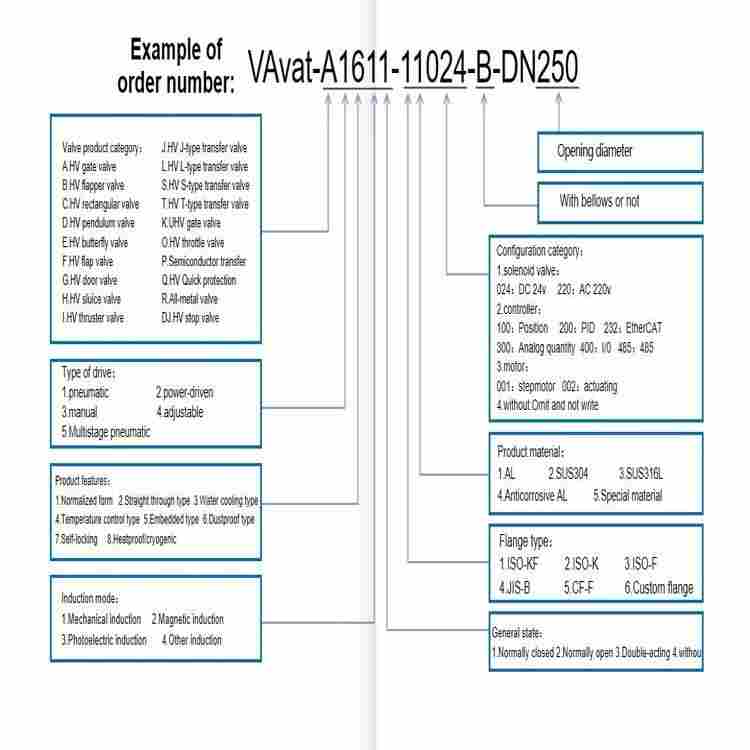
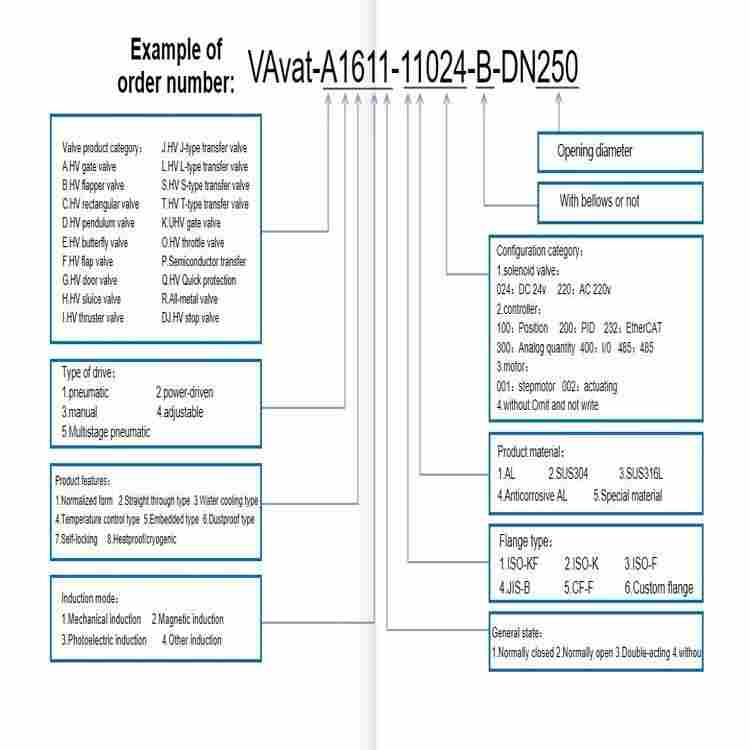
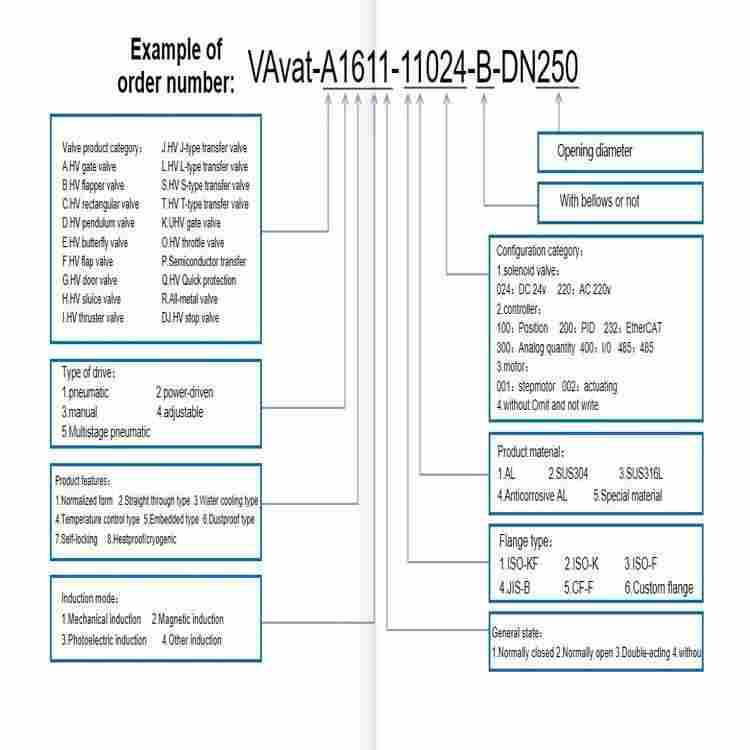
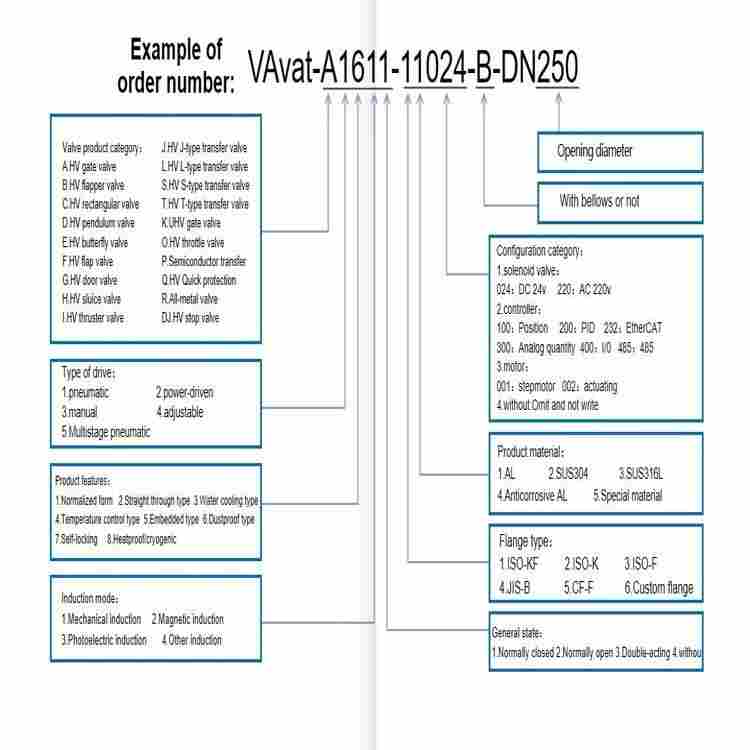
| DN236X70 | Aluminum Alloy | Pneumatic, Double Acting | VAVat-J1113-61-B-DN236X70 |
| DN460X70 | Aluminum Alloy | Pneumatic, Double Acting | VAVat-J1113-61-B-DN460X70 |
| Custom sizes and specifications available upon request. | |||
The high-performance vacuum valves of the J-type series are designed for space-constrained layouts where cleanliness and longevity are paramount. The core advantage lies in the J-shaped space-saving design combined with zero-leakage UHV performance. Compared to gate valves, they offer a more compact footprint; compared to ball valves, they provide superior sealing reliability and lower outgassing. With friction-free opening and closing, these valves generate no particles, ensuring the highest level of system cleanliness and minimal seal wear.
In summary, the High Vacuum J-Type Transfer Valve integrates a compact footprint with UHV-grade sealing, bakeability, and low outgassing. It stands as the benchmark for pipeline isolation in high-end vacuum systems, providing a reliable, clean, and durable solution for semiconductor and research industries worldwide.
Conclusion:The High Vacuum J-Type Transfer Valve is Suitable for semiconductor manufacturing, UHV research, and industrial coating systems. The core advantage is its compact J-type space-saving design combined with friction-free, zero-leakage performance across a wide vacuum range.
Tags :
Tel : +86-15880223078
WhatsApp : +86-13959235484
Email : vacuum@xiamenbest.com
Address : No. 19, Dongan Qianzhanli, Jimei District, Xiamen city china