Start with your process, not the pump
Four parameters determine most of a vacuum pump selection: the required working pressure, the required pumping speed, the gas being pumped, and the operating environment.
Step 1 – Define the pressure range
Different pumps are designed for different vacuum...
Two displacement pumps built for different duties
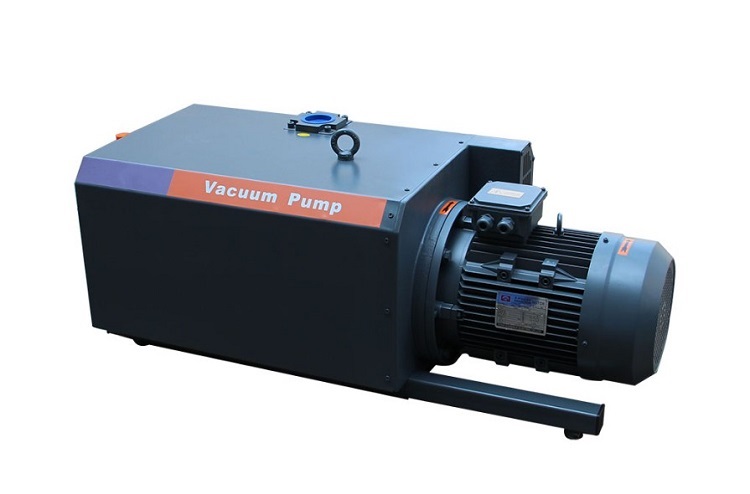
Rotary vane and liquid ring pumps are both widely used in industry, but they are engineered for different jobs. Choosing between them comes down to the gas you are pumping and the vacuum you need.
How a rotary vane pump works
A rotary vane pump is an...
Matching pump type to application
Selecting a vacuum pump is a sizing exercise that balances process requirements, gas properties, and total cost of ownership. Work through these five steps to find the right pump family and configuration.
Step 1 – Define the process pressure window
Match the p...
Why turbo molecular pump maintenance matters
A turbo molecular pump (TMP) is a high-speed, oil-free vacuum pump that achieves high and ultra-high vacuum by imparting momentum to gas molecules with rapidly rotating turbine blades. Because rotors spin at 20,000 to 90,000 rpm, correct operation and pre...
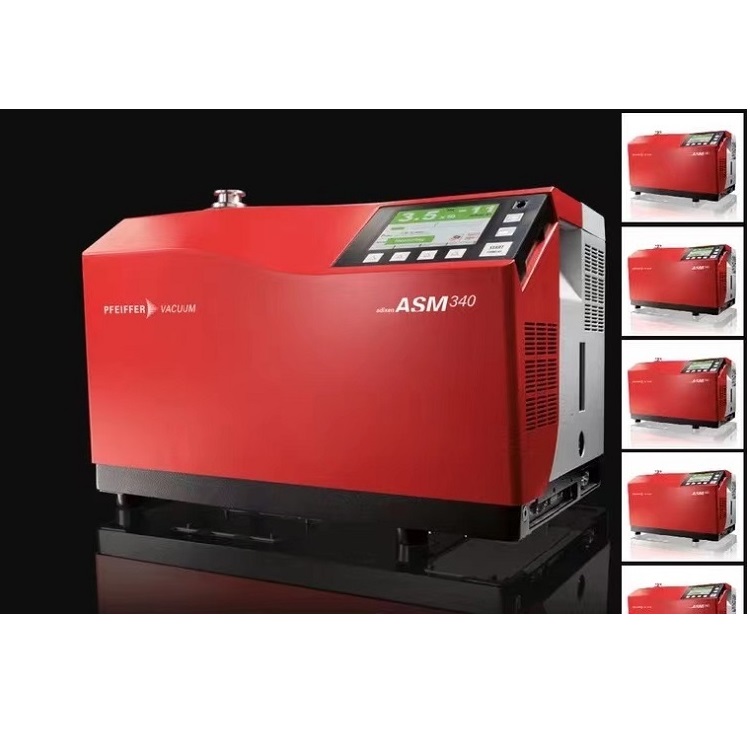
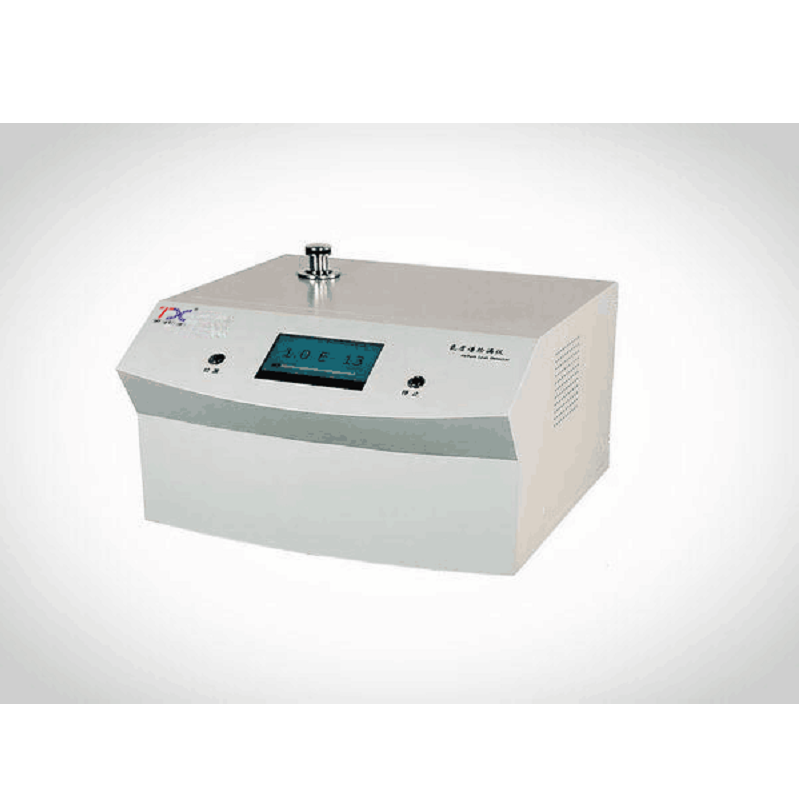
What a helium leak detector is and how it works
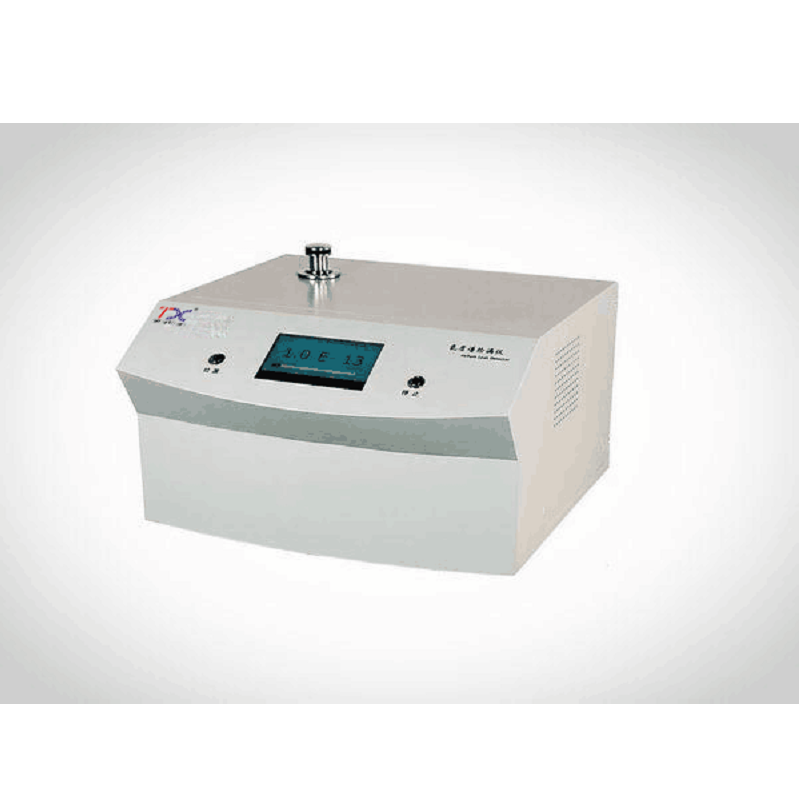
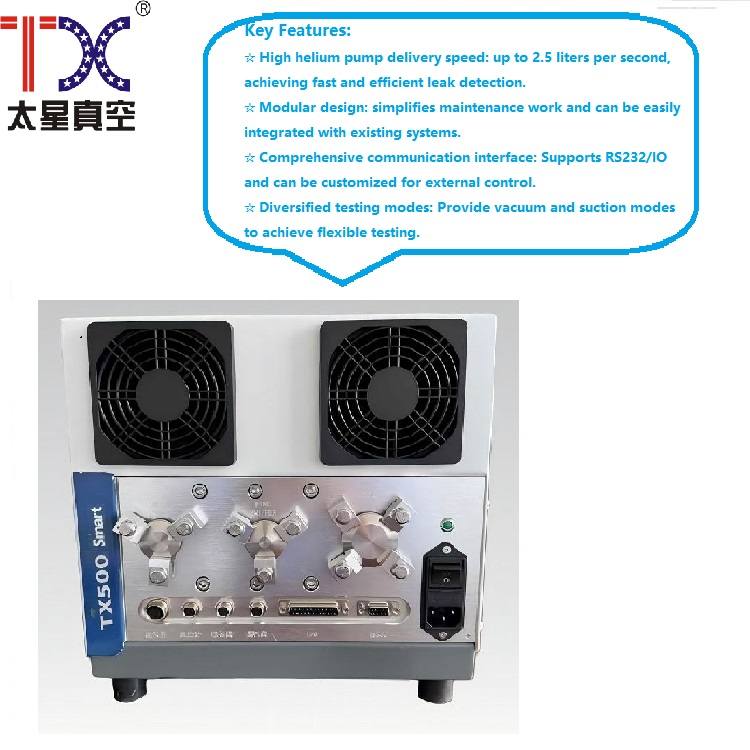
A helium leak detector is an instrument that locates and measures leaks in vacuum systems, sealed components, and pressure vessels. It works on the principle of mass-spectrometer leak detection, using helium as a tracer gas because helium molecules are...
Repairing or rebuilding a rotary vane vacuum pump
A rotary vane pump that has lost performance — longer pump-down, higher ultimate pressure, excess noise, or oil leakage — can usually be repaired rather than replaced. A full rebuild restores a worn pump to near-new condition. The procedu...
Dry vs oil-sealed vacuum pumps
The fundamental difference is how the pump seals the gas path: oil-sealed pumps use oil as the sealing, lubricating, and cooling medium, while dry (oil-free) pumps achieve sealing without any oil or process fluid in the pumping chamber.
Oil-sealed pumps (rotary vane, p...
How to select vacuum pump oil
Selecting the correct oil is one of the most important and most overlooked maintenance decisions for an oil-sealed vacuum pump. The wrong oil shortens pump life and degrades ultimate pressure.
Start from the manufacturer's specification
The pump manual states the requir...
Why a vacuum pump won't reach full vacuum
When a pump no longer reaches its expected ultimate pressure, the cause is almost always in one of four areas: leaks, the oil, the inlet/outlet path, or the pump itself. Troubleshoot systematically — starting with the cheapest and most common causes.
1...
Common spare parts for vacuum pump maintenance
Vacuum pump reliability depends on replacing a small set of wear items on schedule. These are the parts most often needed to keep rotary vane, liquid ring, and dry pumps running at specification.
Oil-sealed rotary vane pumps — the classic wear set...
Roots pump vs screw pump
Roots (also called Roots-type or lobe) pumps and screw pumps are both common in industrial vacuum, but they are designed for different roles in the vacuum system.
Roots pumps (boosters)
A Roots pump has two lobed rotors that rotate in opposite directions without touching eac...
What to compare when buying a turbo molecular pump
A turbo molecular pump (TMP) is the standard choice for high and ultra-high vacuum in analytical instruments, semiconductor tools, coating systems, and research. Because TMPs are precision, high-speed machines, selection is about matching performanc...