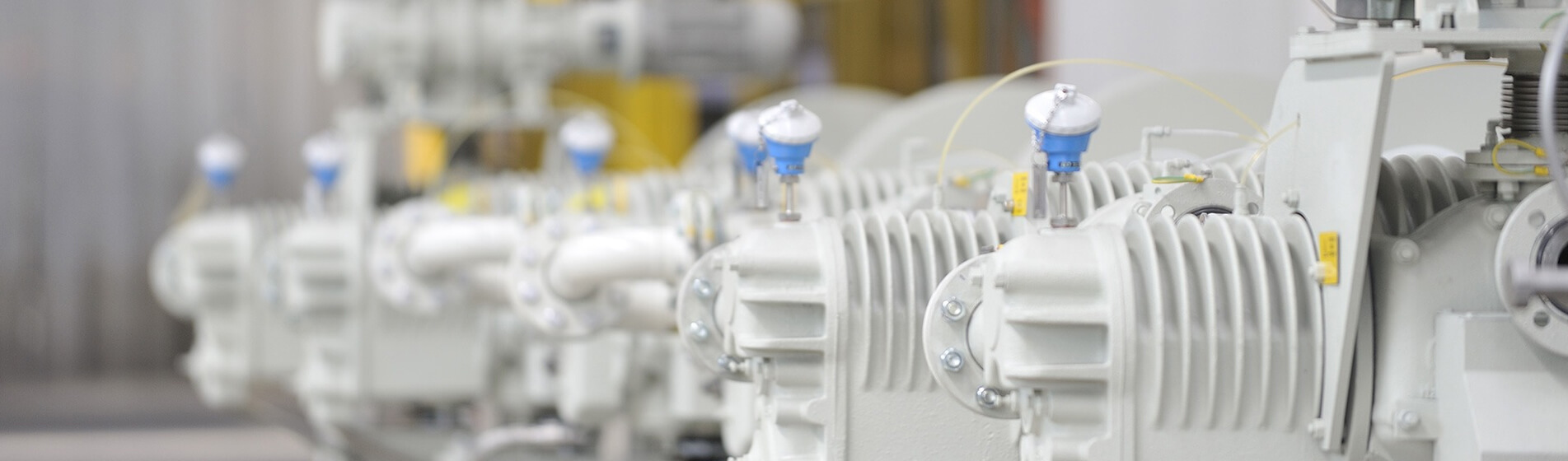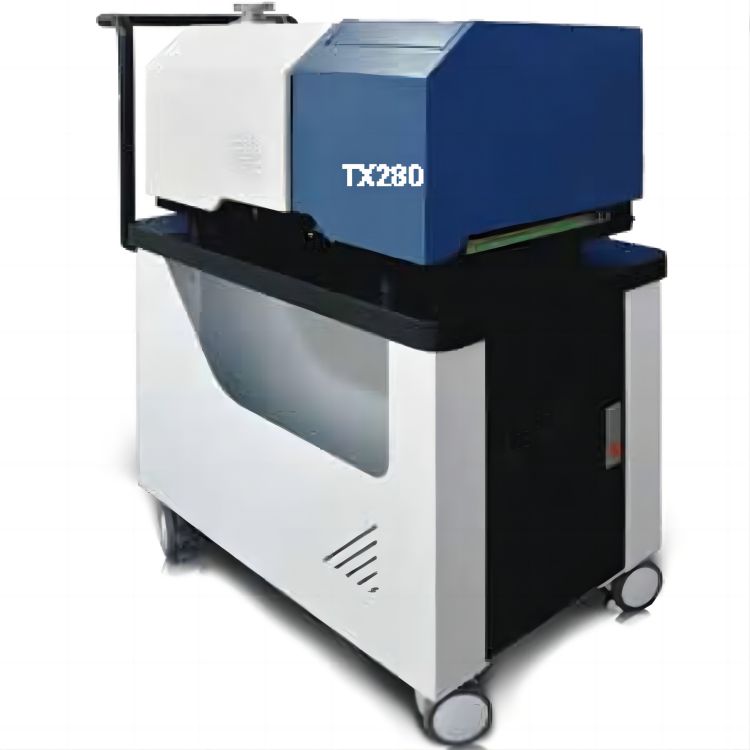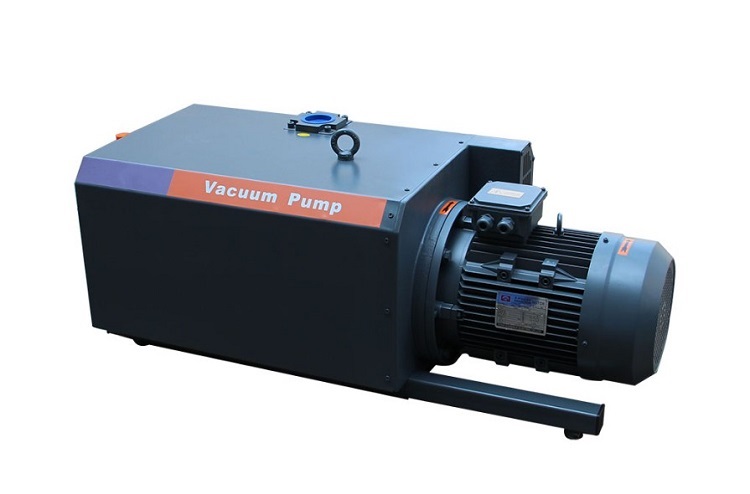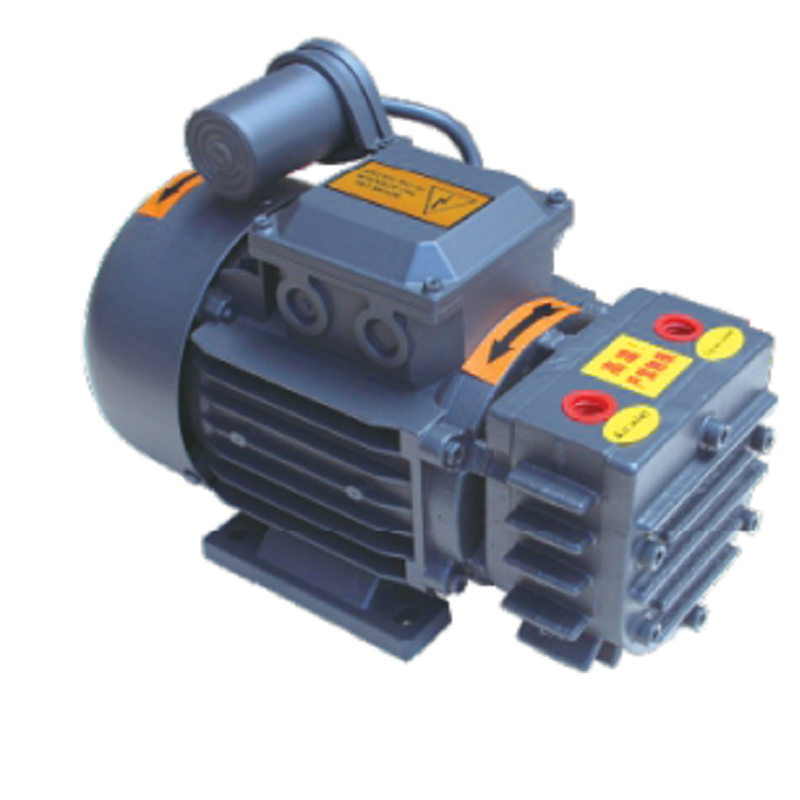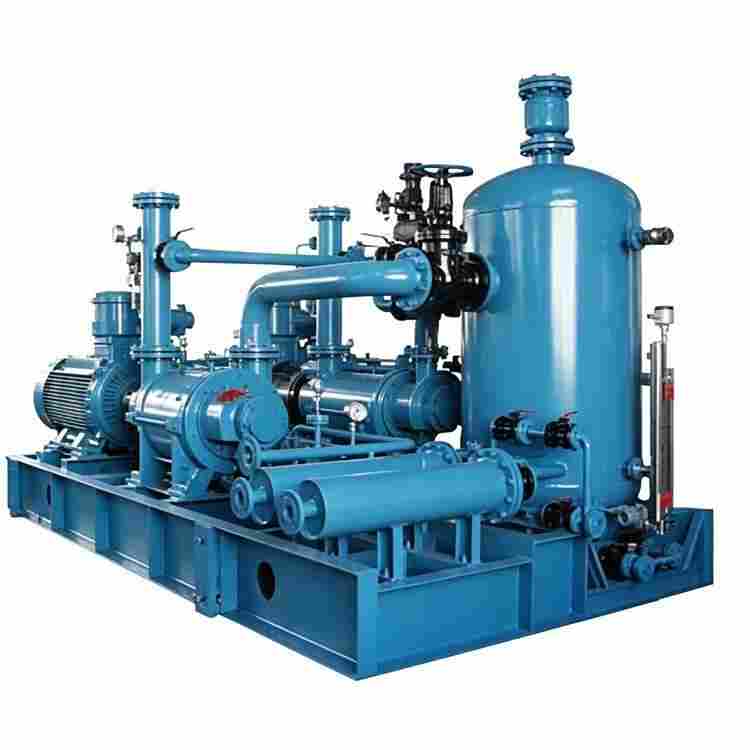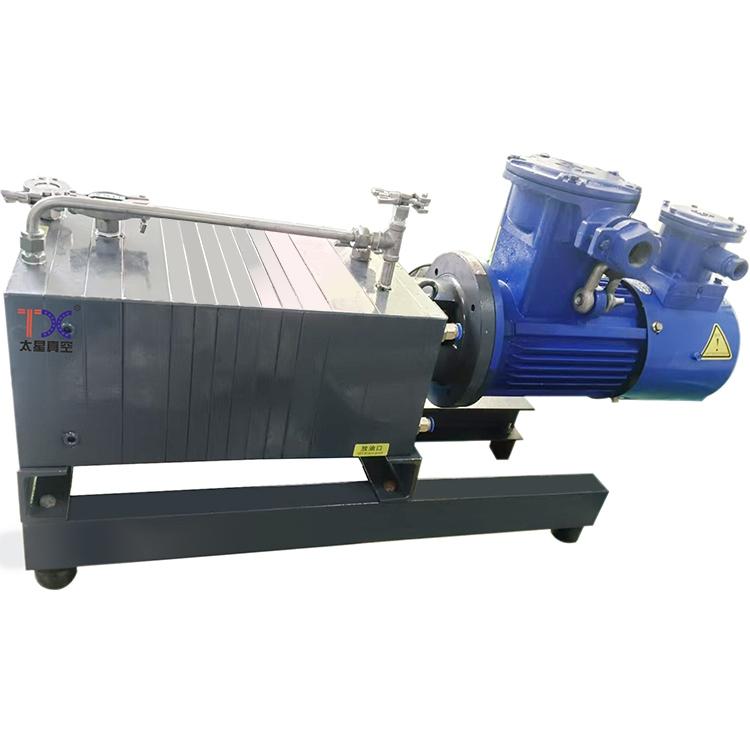
The fundamental difference is how the pump seals the gas path: oil-sealed pumps use oil as the sealing, lubricating, and cooling medium, while dry (oil-free) pumps achieve sealing without any oil or process fluid in the pumping chamber.
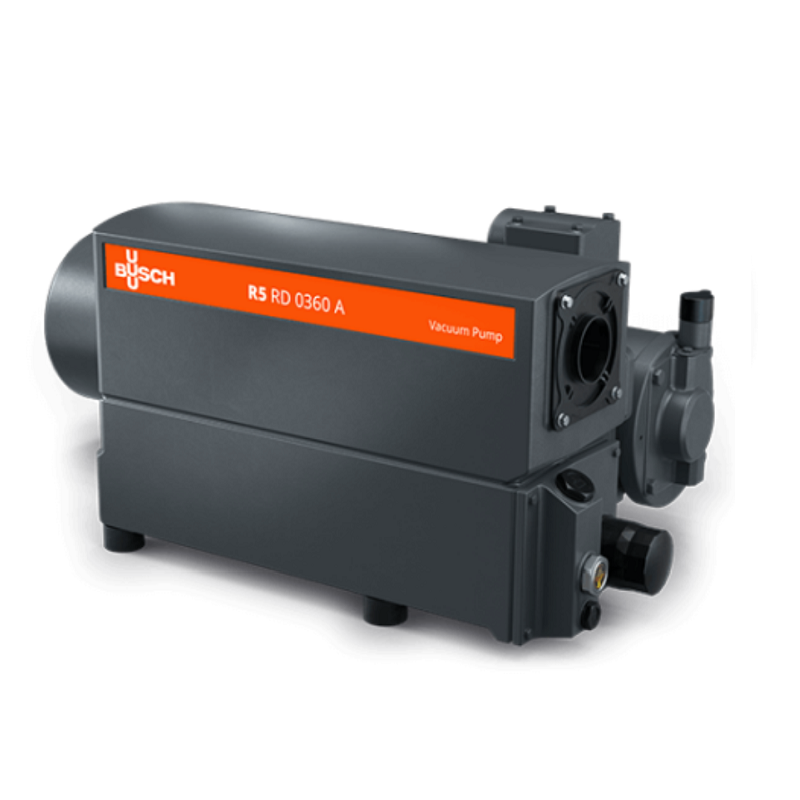
A film of oil seals the moving parts, which allows tight clearances and high compression ratios. This gives oil-sealed rotary vane pumps a deeper ultimate pressure (down to 10^-3 mbar in two-stage form) and quiet, smooth operation. The trade-offs are oil-related: periodic oil changes, oil-mist filters, possible oil back-streaming into the process chamber (contamination risk for clean processes), and sensitivity to aggressive or particulate-laden gases.
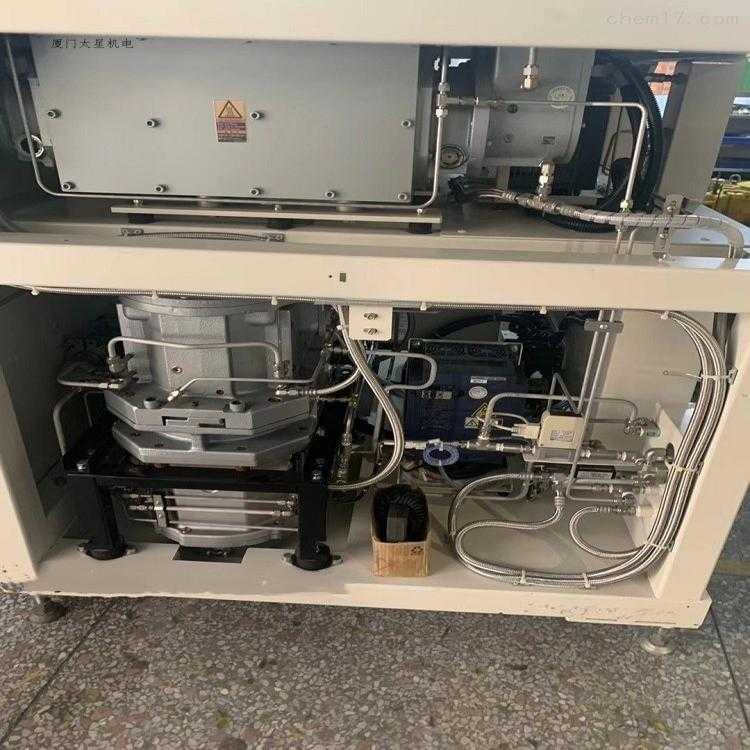
The pumping chamber contains no oil. Rotors mesh or a diaphragm flexes with small but finite clearances, sealing by geometry and speed rather than by a liquid film. Dry pumps cannot match the ultimate pressure of a fine oil-sealed pump in the same package, but they offer decisive advantages where cleanliness matters: no oil contamination of the process, no oil consumption or disposal, and generally better tolerance for certain aggressive gases (depending on materials). Modern dry screw pumps commonly reach the medium-vacuum range and are workhorses in semiconductor, chemical, pharmaceutical, and food industries.
| Feature | Oil-sealed | Dry |
|---|---|---|
| Seal medium | Oil | None (geometric sealing) |
| Ultimate pressure | Deeper (10^-3 mbar typical for two-stage vane) | Moderate to medium vacuum |
| Process contamination | Possible oil back-streaming | None |
| Maintenance | Oil changes, filters | Less oil-related; rotor wear, clearance checks |
| First cost | Lower | Higher |
| Suitability for clean processes | Limited | Excellent |
| Noise | Lower | Generally higher |
Use an oil-sealed pump when you need deep vacuum, low noise, and low first cost for clean, dry gases. Use a dry pump when the process must remain oil-free (semiconductor, analytical, pharmaceutical), when you want to eliminate oil-disposal cost, or when the gas is aggressive enough to degrade oil rapidly.
Tel : +86-15880223078
WhatsApp : +86-13959235484
Email : vacuum@xiamenbest.com
Address : No. 19, Dongan Qianzhanli, Jimei District, Xiamen city china