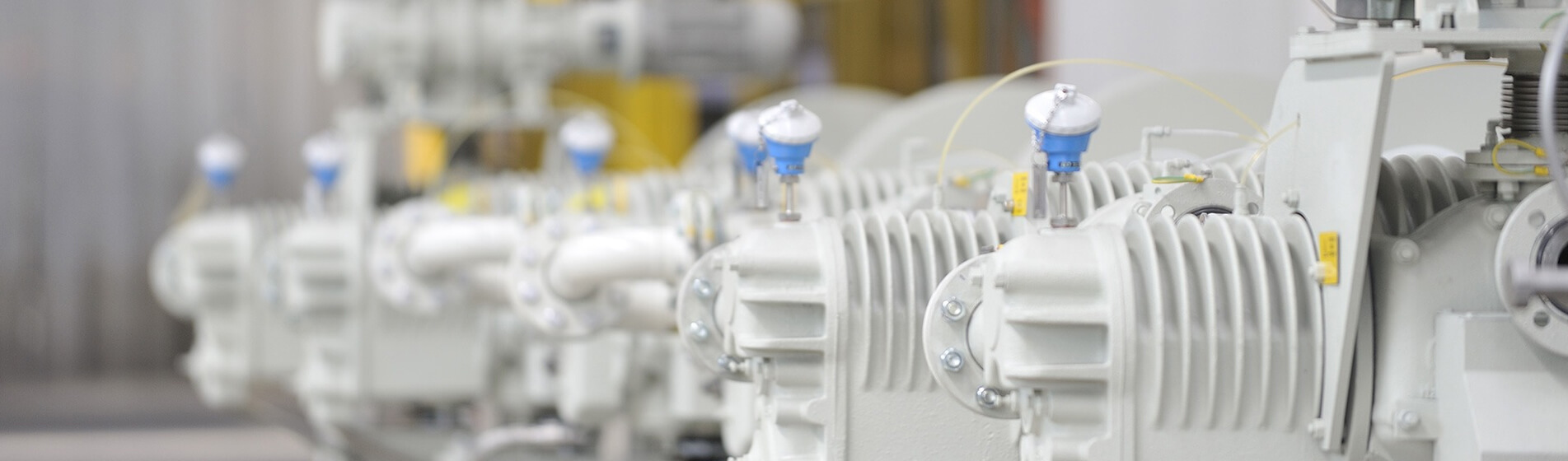
Four parameters determine most of a vacuum pump selection: the required working pressure, the required pumping speed, the gas being pumped, and the operating environment.
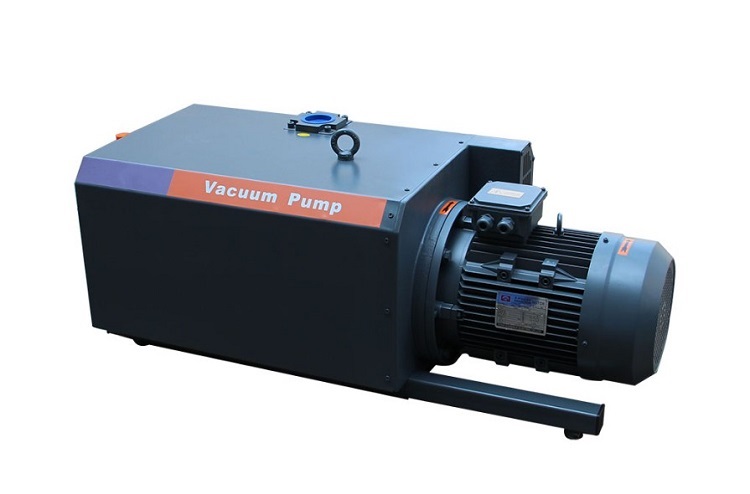
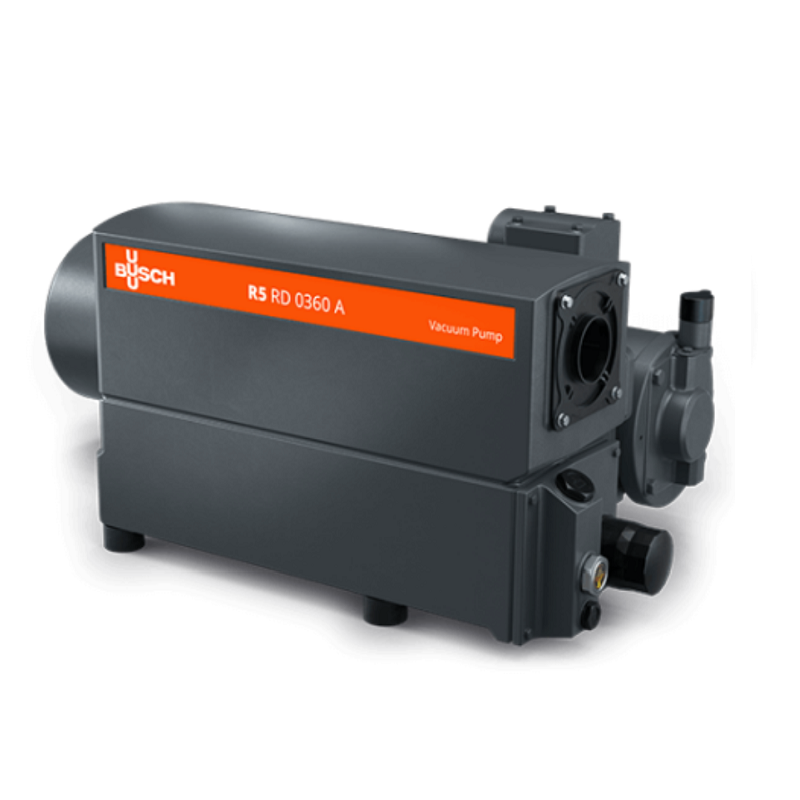
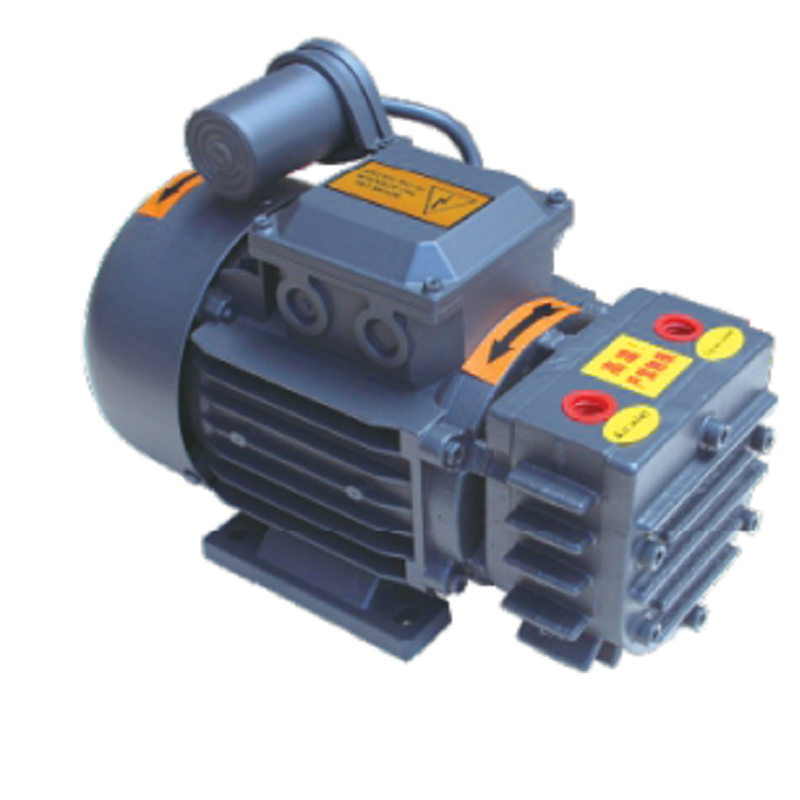
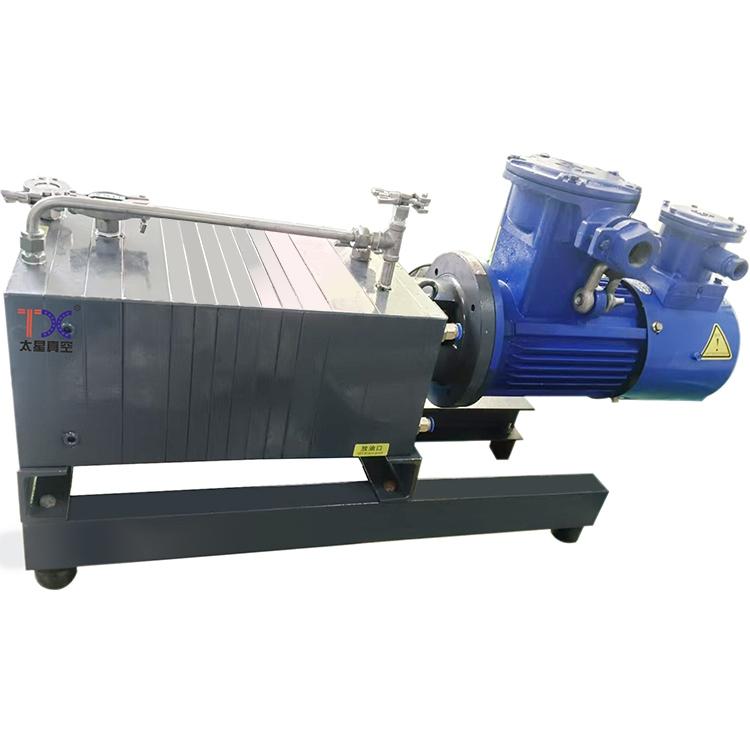
Different pumps are designed for different vacuum regimes. A two-stage rotary vane pump typically reaches an ultimate pressure in the range of 10-1 to 10-3 mbar. Liquid ring pumps reach only about 30 to 100 mbar, depending on the seal-liquid temperature. Roots (booster) pumps are used with a backing pump to raise throughput in the medium-vacuum range, and turbo molecular pumps are required for high and ultra-high vacuum below 10-3 mbar. Choose a pump whose ultimate pressure is comfortably below your required working pressure.
Pumping speed (m³/h or L/s) determines how fast the system reaches the target pressure. Estimate the chamber volume and the required pump-down time, then add a safety margin of 20–30%. Remember that the effective speed at the chamber is always lower than the pump’s nominal speed because of piping and valve conductance.
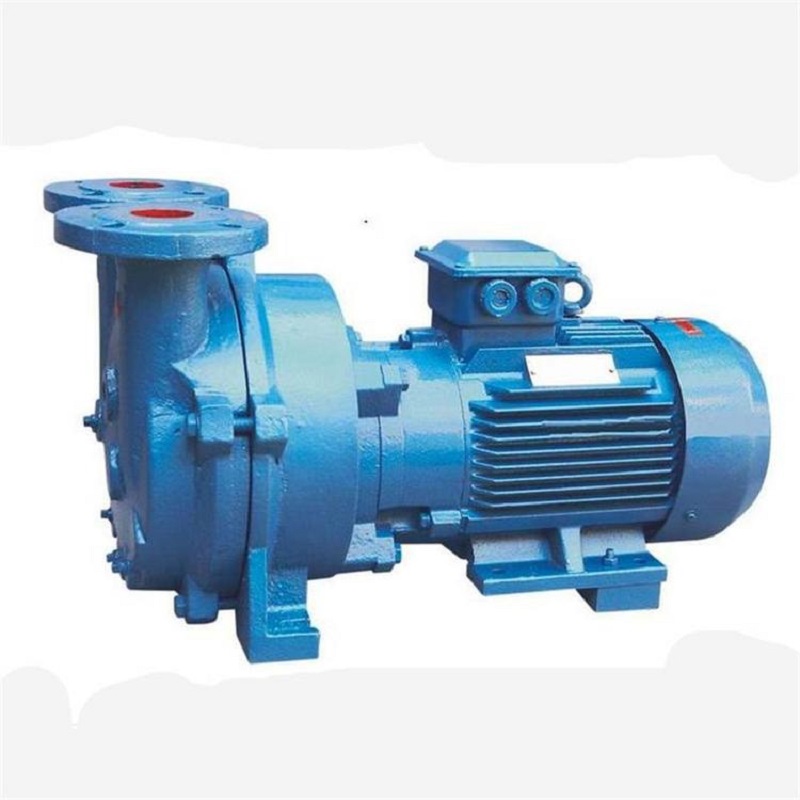
Will the process gas be dry, or does it contain moisture, particles, or corrosive components? For wet or aggressive processes, a liquid ring pump or a dry screw pump is often the better choice than an oil-sealed rotary vane pump. For clean, oil-free processes such as semiconductor or analytical work, dry pumps are preferred.
Noise, heat rejection, oil management, maintenance intervals, and energy consumption all affect the lifetime cost. A liquid ring pump is robust and simple but less energy-efficient; a dry screw pump has a higher first cost but lower maintenance.
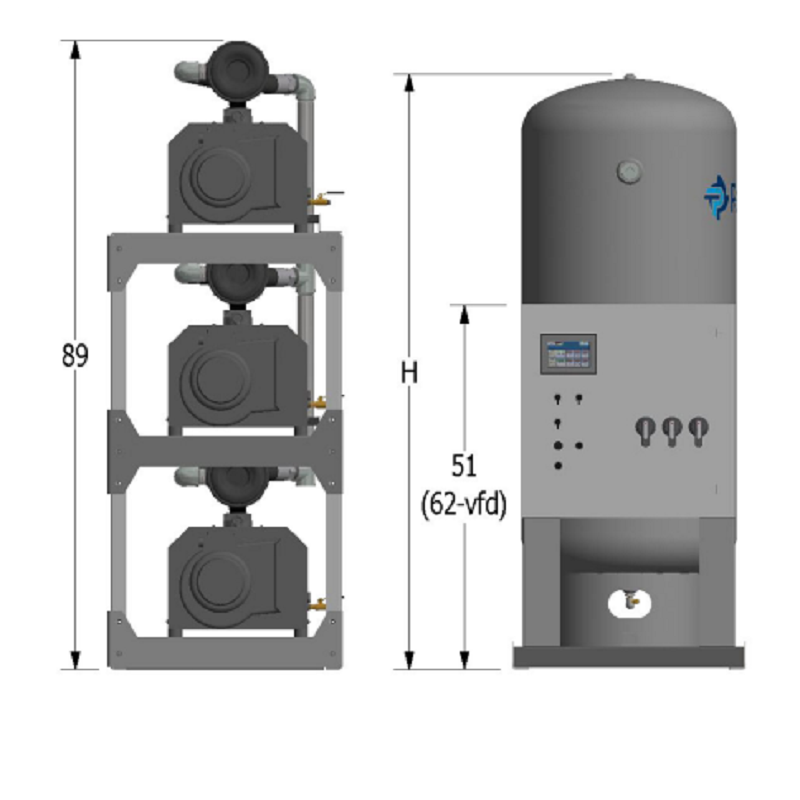
For medium and high vacuum you will usually need a backing pump plus a booster or turbo pump. Always match the backing pump so it can hold the high-vacuum pump’s maximum foreline pressure. When in doubt, give your supplier the process gas, working pressure, chamber volume, and cycle time — this data lets them recommend a correct, cost-effective configuration.
Tel : +86-15880223078
WhatsApp : +86-13959235484
Email : vacuum@xiamenbest.com
Address : No. 19, Dongan Qianzhanli, Jimei District, Xiamen city china