Rotary vane and liquid ring pumps are both widely used in industry, but they are engineered for different jobs. Choosing between them comes down to the gas you are pumping and the vacuum you need.
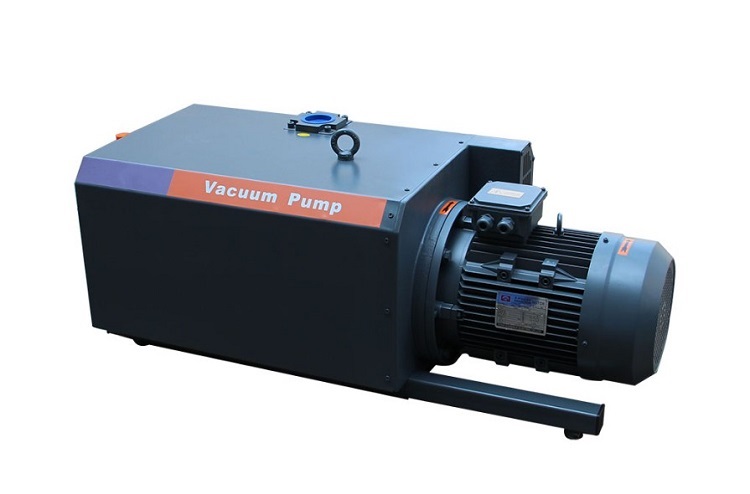
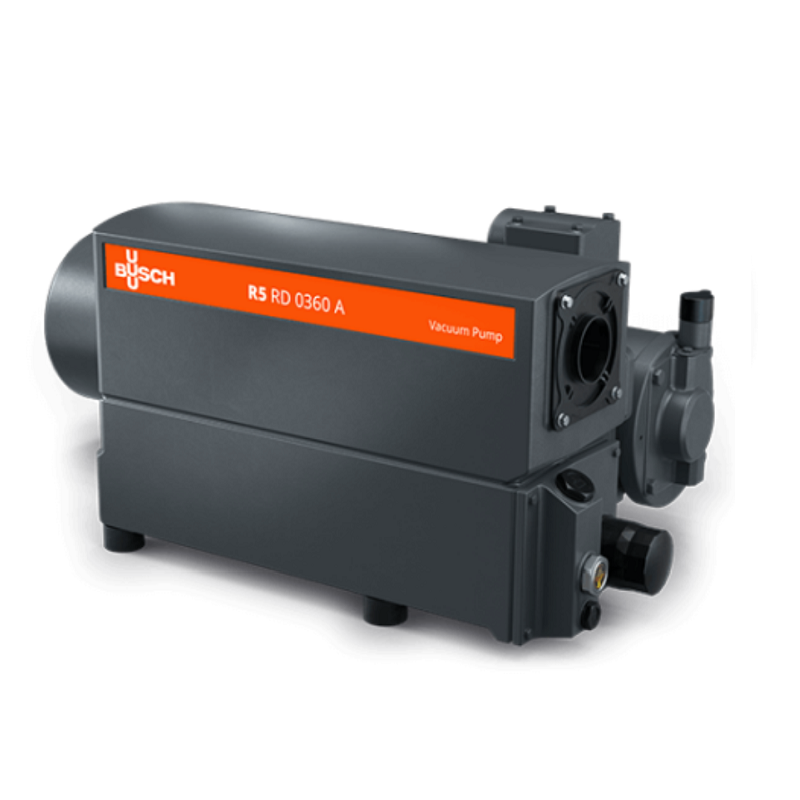
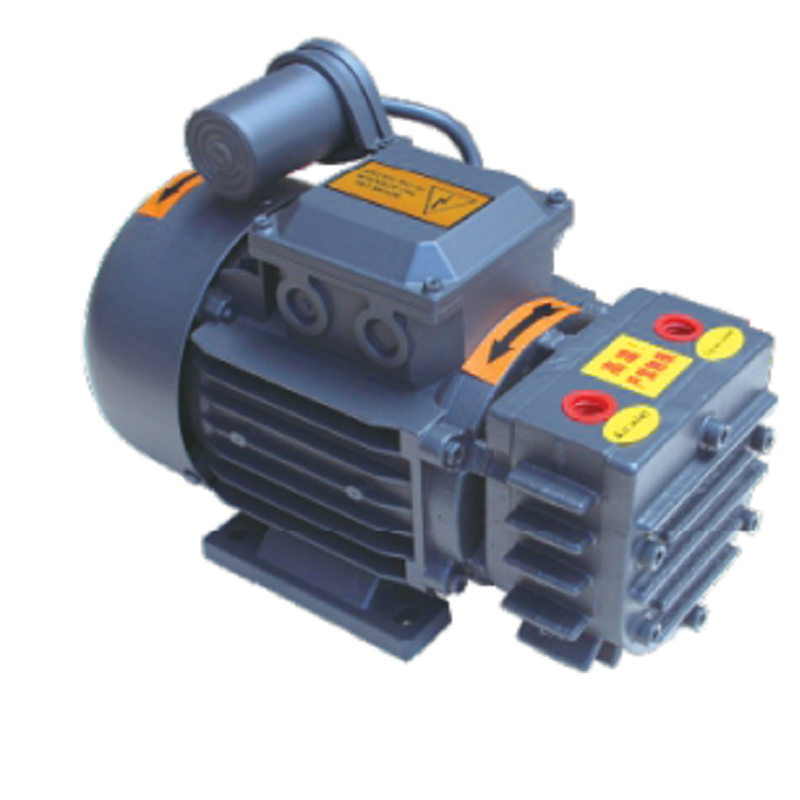
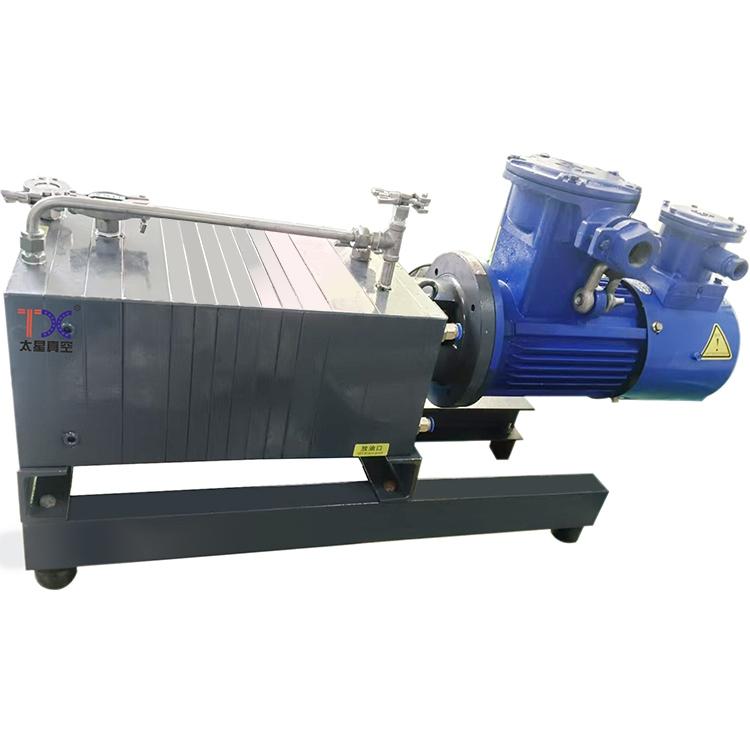
A rotary vane pump is an oil-sealed pump. Spring-loaded vanes slide in a rotor and trap gas against a cylindrical stator, compressing and exhausting it. A thin oil film seals the gap between the vane tips and the stator, lubricates the mechanism, and cools the pump. A two-stage rotary vane pump reaches an ultimate pressure in the range of 10-1 to 10-3 mbar, making it a standard choice for laboratory, refrigeration, packaging, and degassing applications.
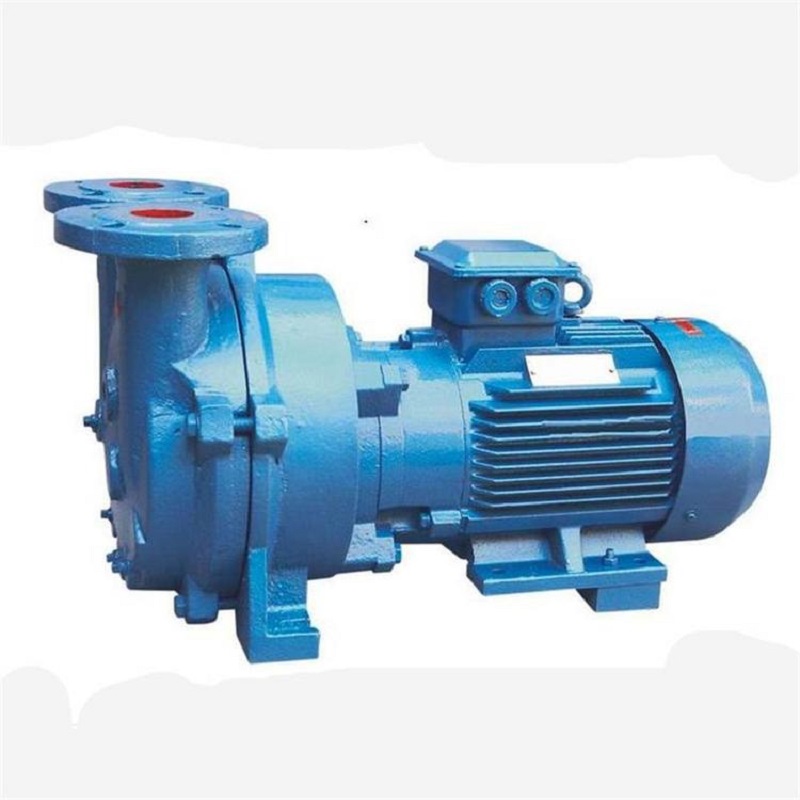
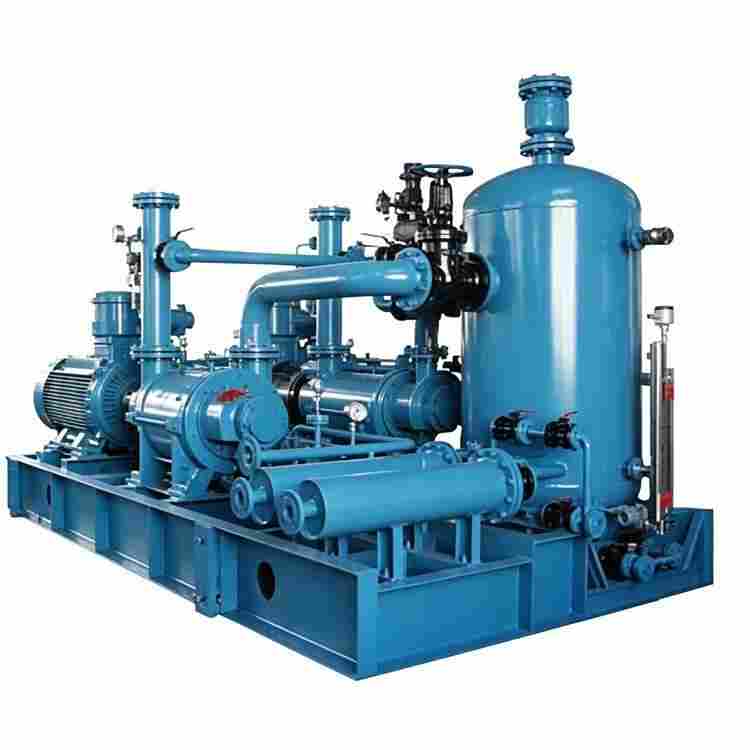
A liquid ring pump uses a rotating impeller inside an elliptical casing filled with a seal liquid, usually water. The liquid is flung outward to form an eccentrically positioned ring, and the space between the ring and the impeller chambers creates the pumping action. Because the seal is a liquid and the compression is nearly isothermal, liquid ring pumps are ideal for wet, saturated, or corrosive gas streams. Their ultimate pressure is limited — roughly 30 to 100 mbar depending on the seal-liquid temperature — but they handle carryover and particulate contamination far better than vane pumps.
Choose a rotary vane pump when you need deeper vacuum and dry, clean gases. Choose a liquid ring pump when the process gas is wet, dirty, or corrosive, or when on-site maintenance simplicity matters more than ultimate vacuum.
Tel : +86-15880223078
WhatsApp : +86-13959235484
Email : vacuum@xiamenbest.com
Address : No. 19, Dongan Qianzhanli, Jimei District, Xiamen city china