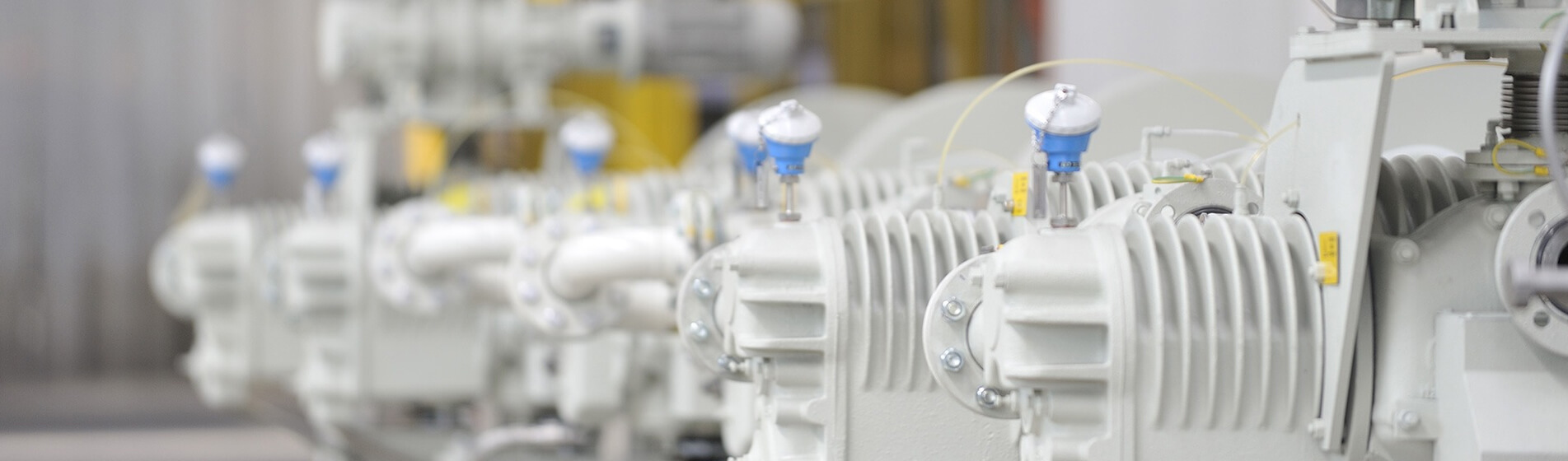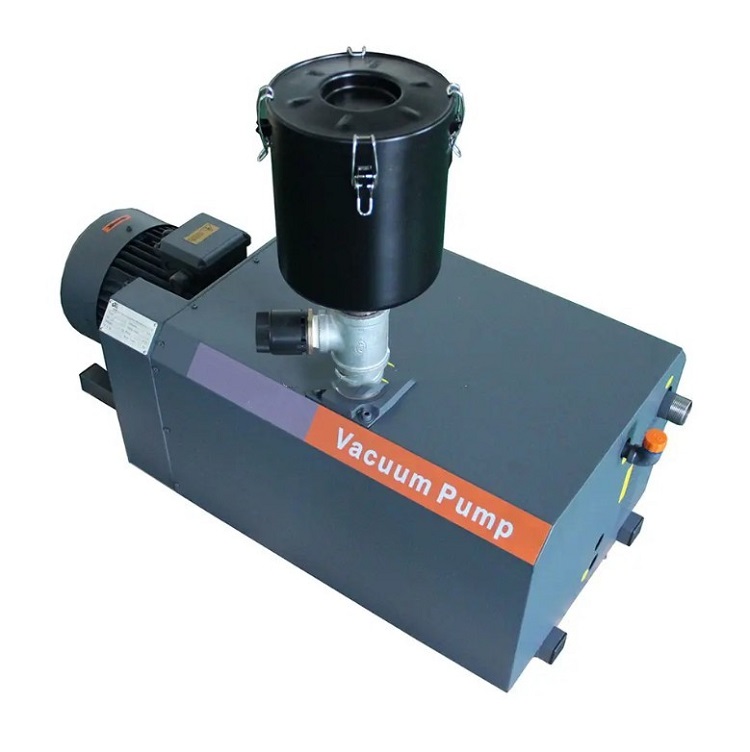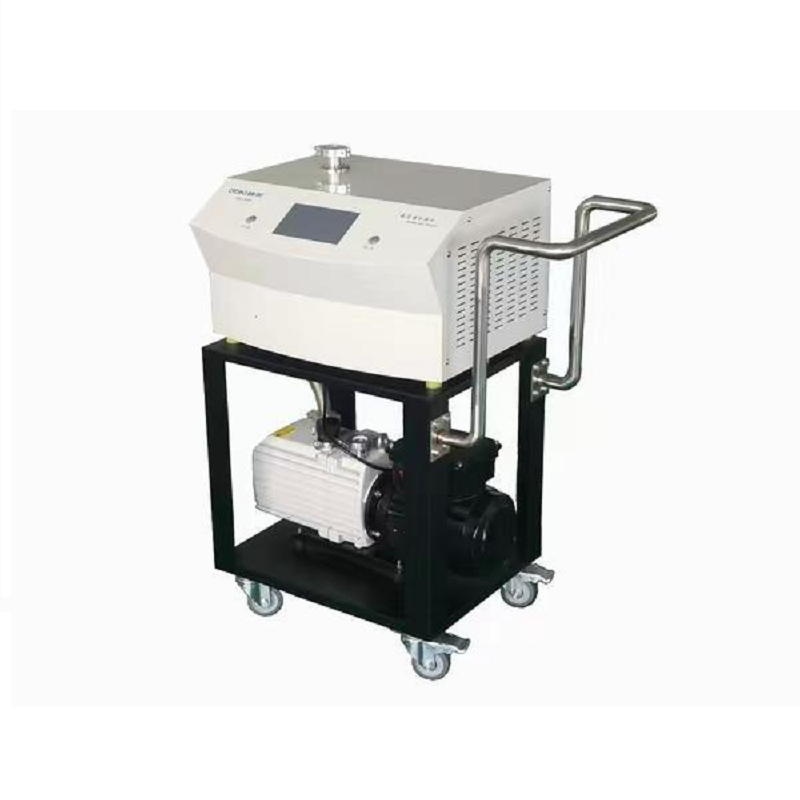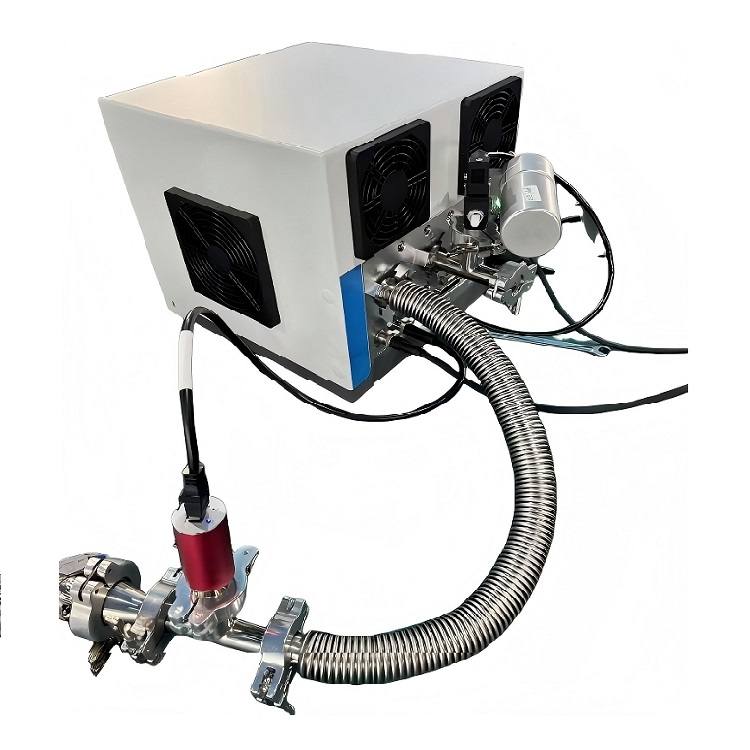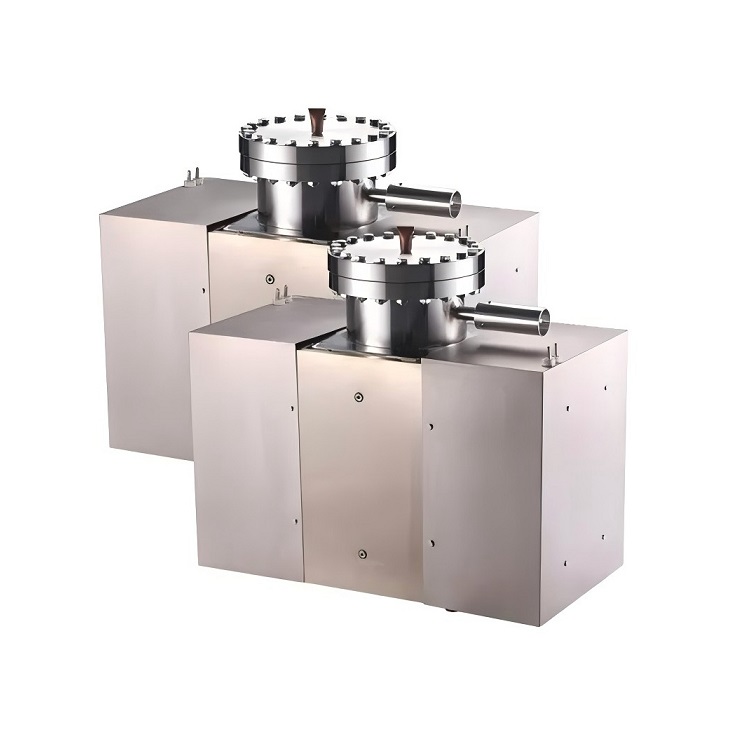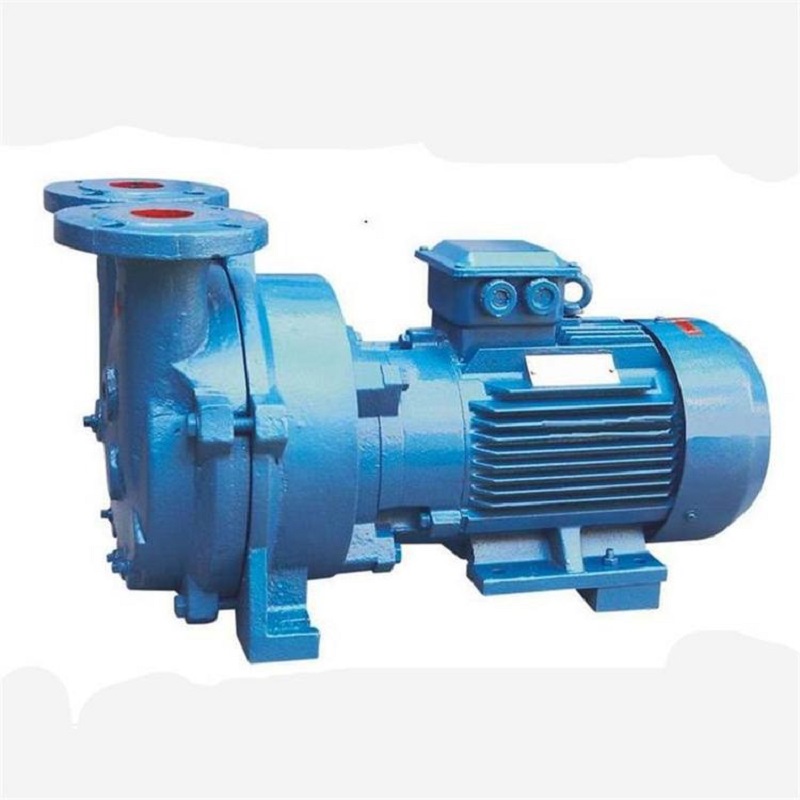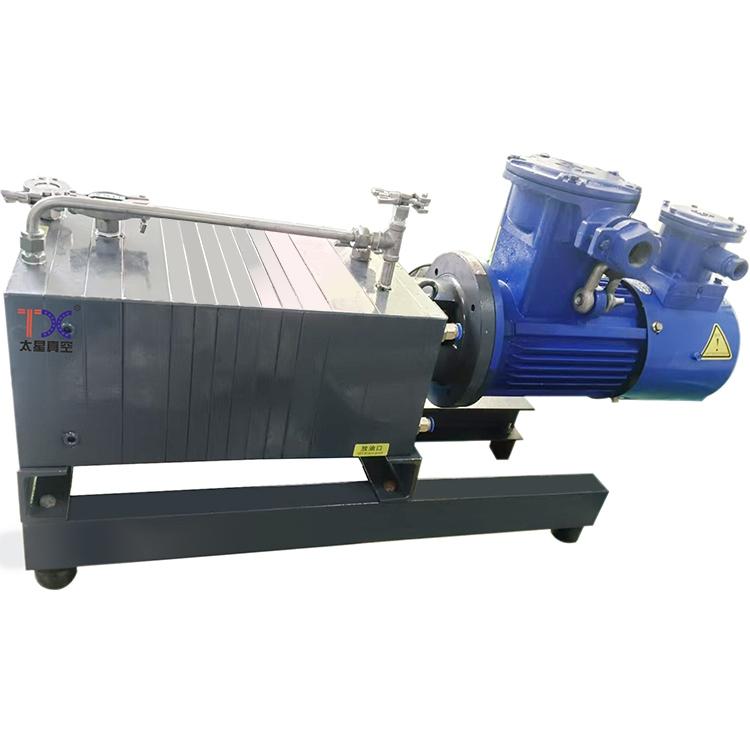
The CRYO-P Series Cryopump represents the pinnacle of high-performance vacuum technology. As a cluster-type vacuum equipment utilizing the principles of cryogenic condensation and adsorption, it serves as a premier oil-free high-vacuum acquisition device. Capable of reaching an ultimate vacuum of 10⁻⁷ Pa, this series is widely integrated into semiconductor manufacturing, vacuum coating, and space simulation. For professionals seeking high-performance vacuum solutions, the CRYO-P series stands as the core choice for ultra-clean and extreme vacuum environments.
| Model | Gas Type | P8 | P10 | P12 | P16 | P20 | P22 | P28 | P30 |
|---|---|---|---|---|---|---|---|---|---|
| Pumping Speed (L/s) | Nitrogen (N₂) | 1,700 | 2,400 | 4,000 | 5,000 | 10,000 | 17,000 | 21,000 | 28,000 |
| Hydrogen (H₂) | 2,700 | 3,700 | 6,000 | 11,000 | 18,000 | 25,000 | 39,000 | 43,000 | |
| Argon (Ar) | 1,400 | 2,000 | 3,300 | 4,200 | 8,400 | 14,000 | 19,000 | 23,000 | |
| Water (H₂O) | 4,000 | 6,900 | 9,500 | 16,000 | 29,000 | 39,000 | 57,000 | 70,000 | |
| Max Throughput (Pa·L/s) | Argon (Ar) | 1.2×10³ | 1.2×10³ | 2.0×10³ | 1.6×10³ | 1.7×10³ | 4.1×10³ | 1.7×10³ | 2.7×10³ |
| Hydrogen (H₂) | 2.4×10² | 1.5×10² | 4.1×10² | 4.5×10² | 4.7×10² | 1.3×10² | 5.0×10² | 8.6×10² | |
| Capacity (Pa·L) | Argon (Ar) | 1.0×10⁸ | 1.0×10⁸ | 2.1×10⁸ | 4.3×10⁸ | 5.8×10⁸ | 8.1×10⁸ | 5.8×10⁸ | 7.8×10⁸ |
| Hydrogen (H₂) | 1.0×10⁶ | 1.2×10⁶ | 1.0×10⁶ | 2.4×10⁶ | 4.6×10⁶ | 8.5×10⁶ | 6.0×10⁶ | 1.5×10⁶ | |
| Ultimate Pressure (Pa) | 10⁻⁷ | 10⁻⁷ | 10⁻⁷ | 10⁻⁷ | 10⁻⁷ | 10⁻⁷ | 10⁻⁷ | 10⁻⁷ | |
| Helium Charge (MPa) | 1.3±0.05 | 1.3±0.05 | 1.45±0.05 | 1.45±0.05 | 1.45±0.05 | 1.45±0.05 | 1.45±0.05 | 1.45±0.05 | |
| Cooldown Time (min) | 100 | 112 | 100 | 120 | 160 | 165 | 180 | 240 | |
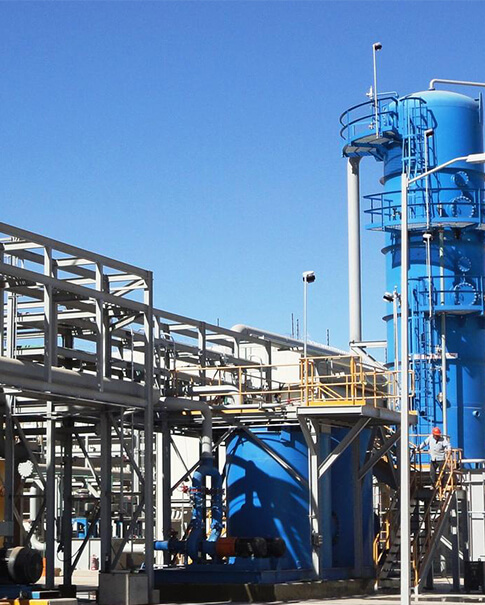
The CRYO-P series is engineered to support advanced vacuum equipment across multiple high-tech sectors:
Choosing the CRYO-P series means investing in reliability and purity. Its core advantage lies in the oil-free pumping mechanism, which eliminates the risk of hydrocarbon contamination. With inlet flange sizes ranging from VG/ISO 200 to 750, these pumps are versatile enough for any scale. Whether you are upgrading an existing lab or designing a new production line, our reliable vacuum pump accessories and main units provide a "High Vacuum + High Cleanliness + High Reliability" solution.
1. What is the primary benefit of the oil-free design?
It prevents oil vapor from contaminating the vacuum chamber, which is critical for semiconductor and optical coating processes where even microscopic impurities can cause product failure.
2. How do I choose between the Baking and Corrosion-Resistant types?
The Baking type is for users needing extreme vacuum (10⁻⁹ Pa) through outgassing reduction. The Corrosion-Resistant type is essential if your process involves aggressive gases that could damage standard internal components.
3. What are the maintenance requirements?
Maintenance focuses on monitoring the cooling system, ensuring seal integrity, and following standardized regeneration procedures to remove accumulated gases safely.
4. How long does the regeneration process take?
Regeneration time depends on the pump size and the volume of trapped gas, but the CRYO-P series is optimized for rapid thermal recovery to minimize downtime.
The CRYO-P Series Cryopump integrates oil-free cleanliness, extreme vacuum performance, and flexible customization into a single robust package. By utilizing cryogenic condensation to reach 10⁻⁷ Pa, it provides a stable and efficient solution for the most demanding industrial and scientific applications. From high-energy physics to precision semiconductor manufacturing, the CRYO-P series remains the benchmark for excellence in the vacuum industry.
Conclusion: The CRYO-P Series Cryopump is suitable for semiconductor manufacturers, vacuum coating facilities, and aerospace research labs. The core advantage is its oil-free ultra-high vacuum reaching 10⁻⁷ Pa and customizable configurations for corrosive or extreme-low pressure environments.
Data Source: Taixing Pump Technical Department, Updated on October 27, 2023.
Tel : +86-15880223078
WhatsApp : +86-13959235484
Email : vacuum@xiamenbest.com
Address : No. 19, Dongan Qianzhanli, Jimei District, Xiamen city china