Driven by global "Dual Carbon" goals, the thermal power industry is facing unprecedented pressure to reduce energy consumption and emissions. The condenser vacuum system is a critical link affecting the thermal efficiency of the unit; its performance directly determines the coal consumption and emission levels of the power plant. Traditional single-stage water ring vacuum pumps have struggled to meet the demands of modern power plants for high efficiency, intelligence, and green operation due to limitations in ultimate vacuum levels, energy control, and operational stability. This article explores the large-scale application and energy efficiency innovation of vacuum pump solutions featuring the NASH TC-7 in a 300MW unit.
The project focuses on a 300MW subcritical unit at a major energy group's thermal power plant. The condenser's design back pressure is 6.9kPa. Previously, the system utilized three 2BE1 series single-stage water ring vacuum pumps (2 in operation, 1 standby). However, several critical issues emerged over time:
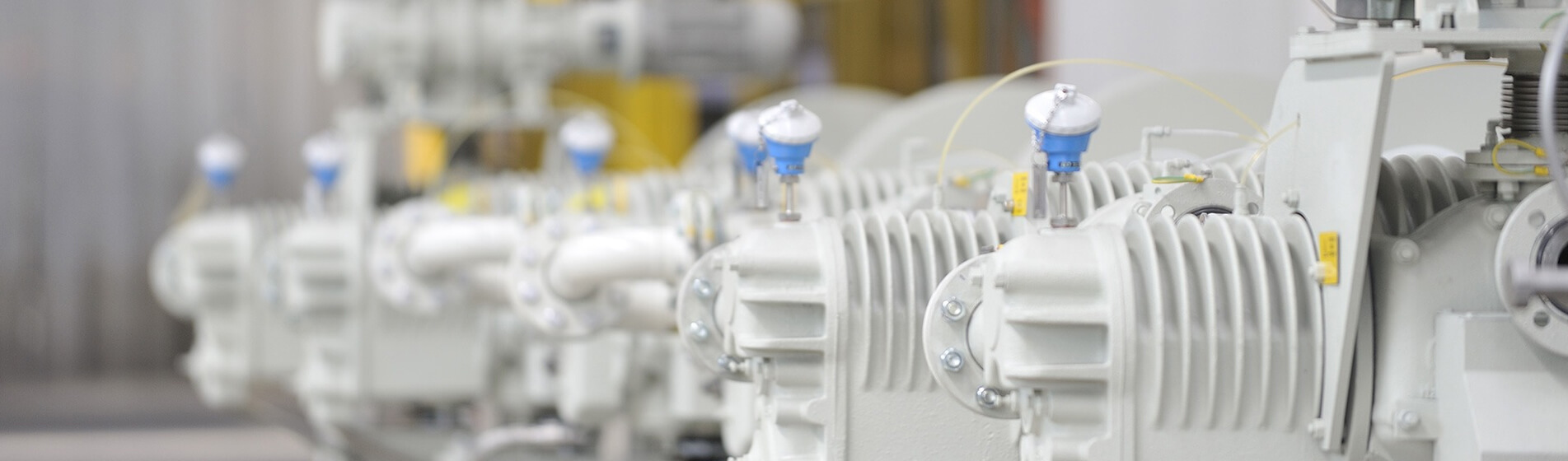
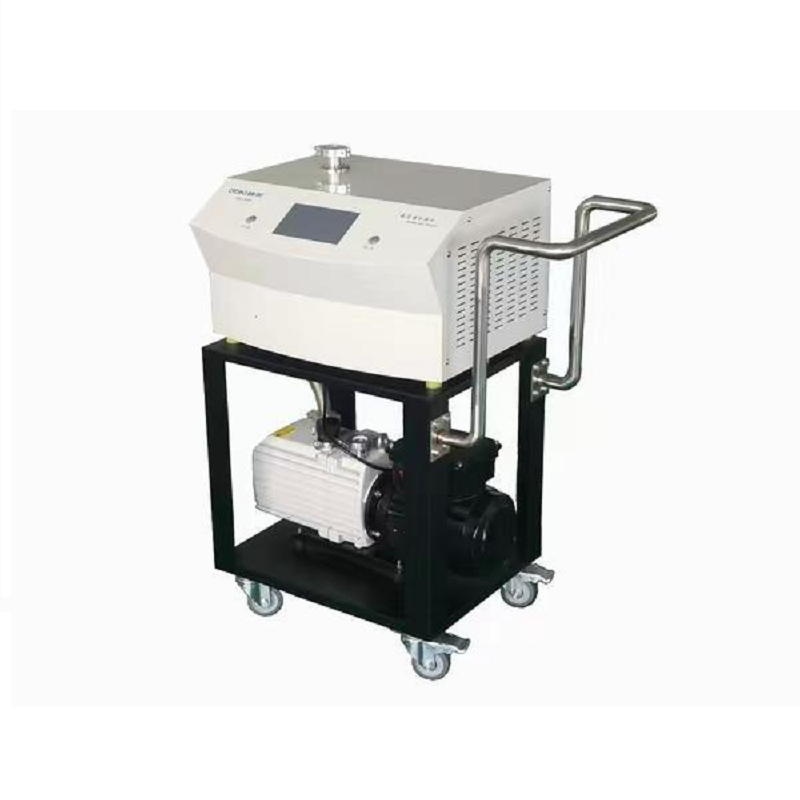
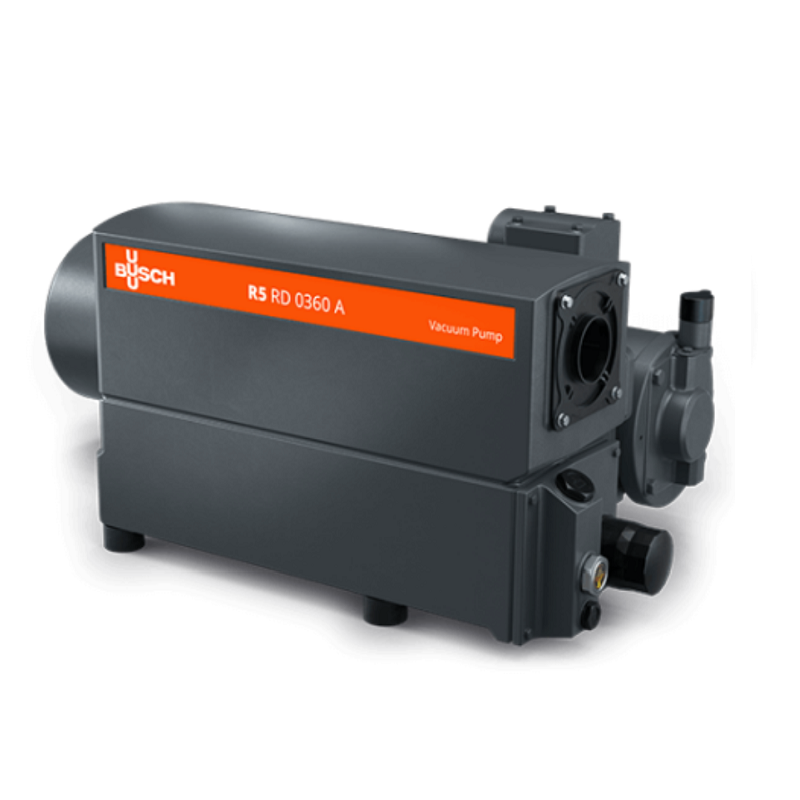
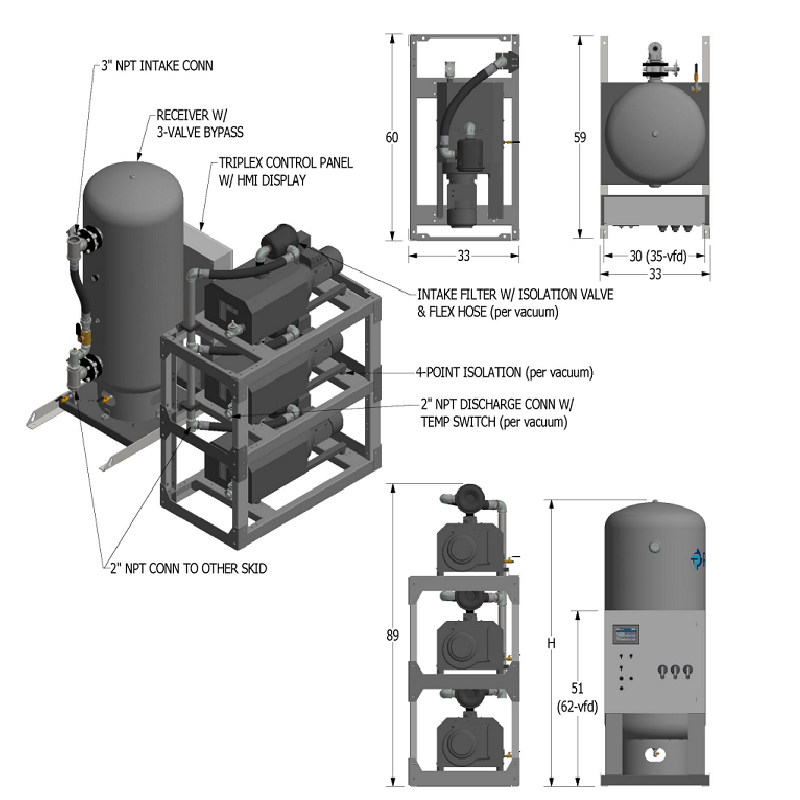
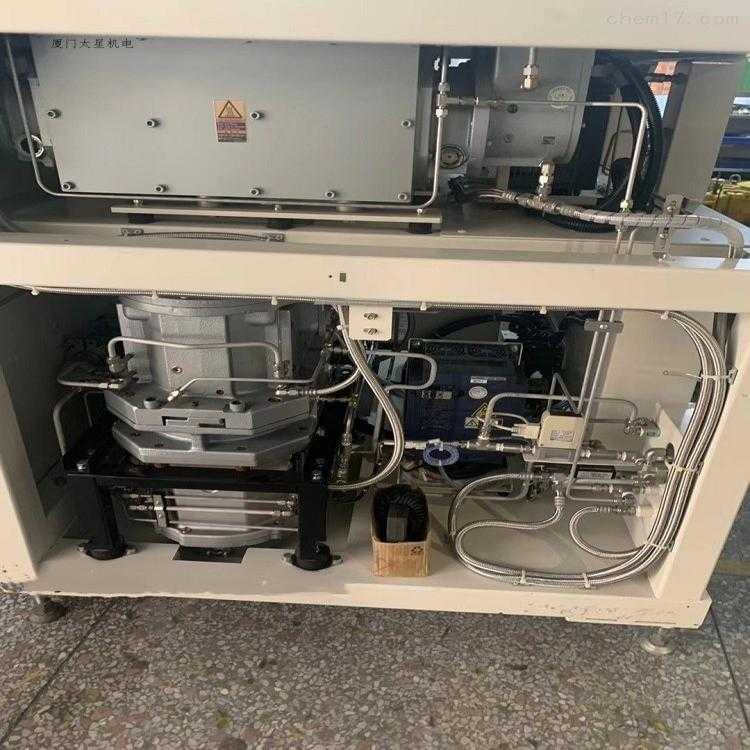
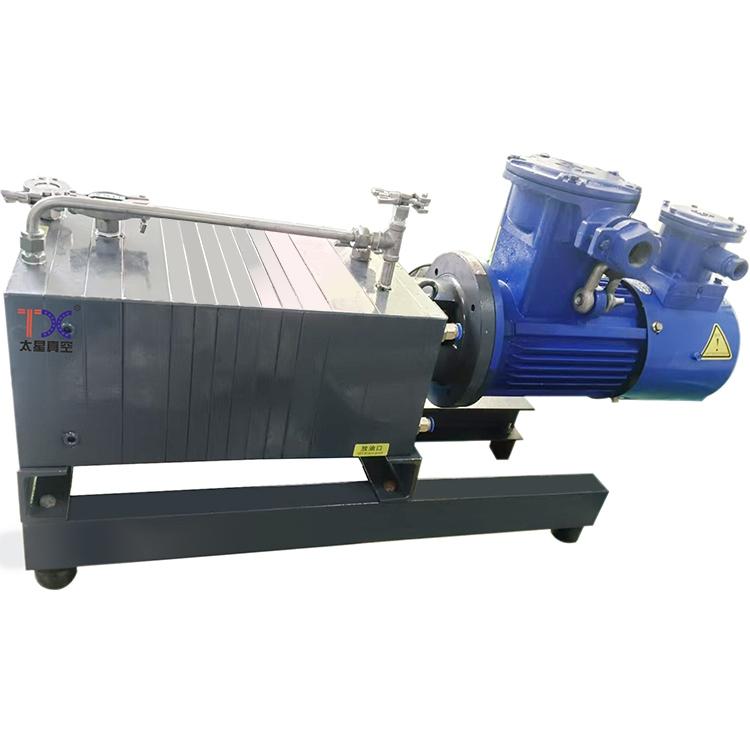
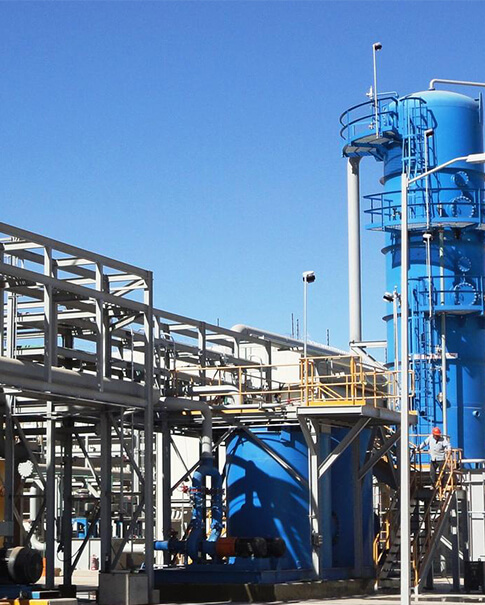
To address these challenges, the plant implemented a system of five NASH TC-7 double-stage liquid ring vacuum pumps in an N+2 redundancy configuration (3 running, 2 standby). This setup is integrated with industrial vacuum systems technology, including plate heat exchangers, automatic blowdown gas-water separators, and an intelligent PLC control cabinet.
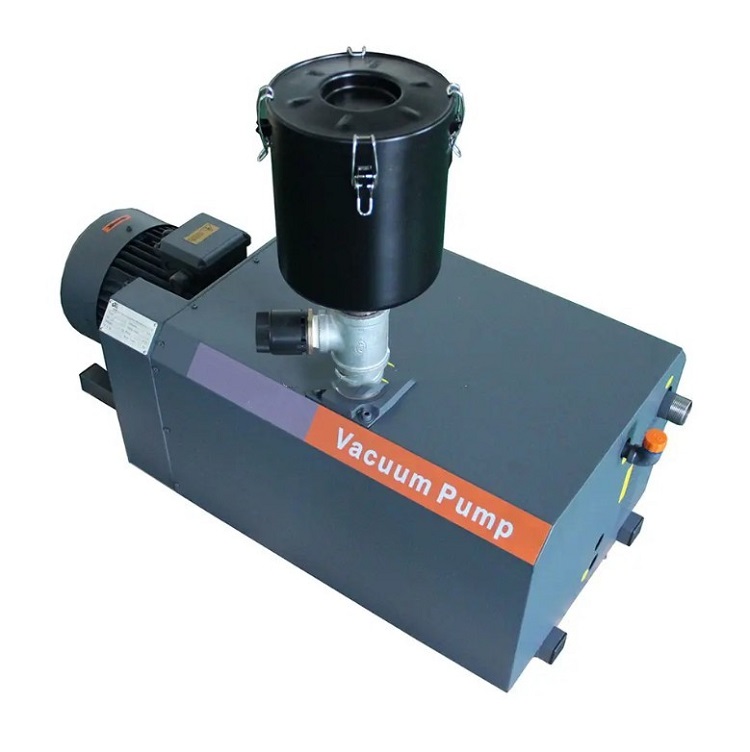
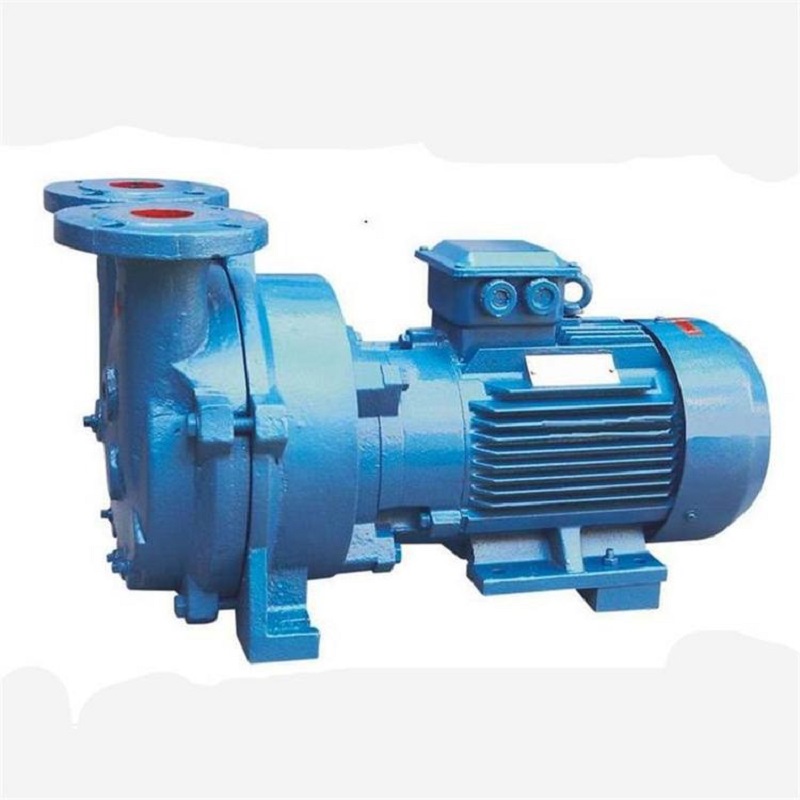
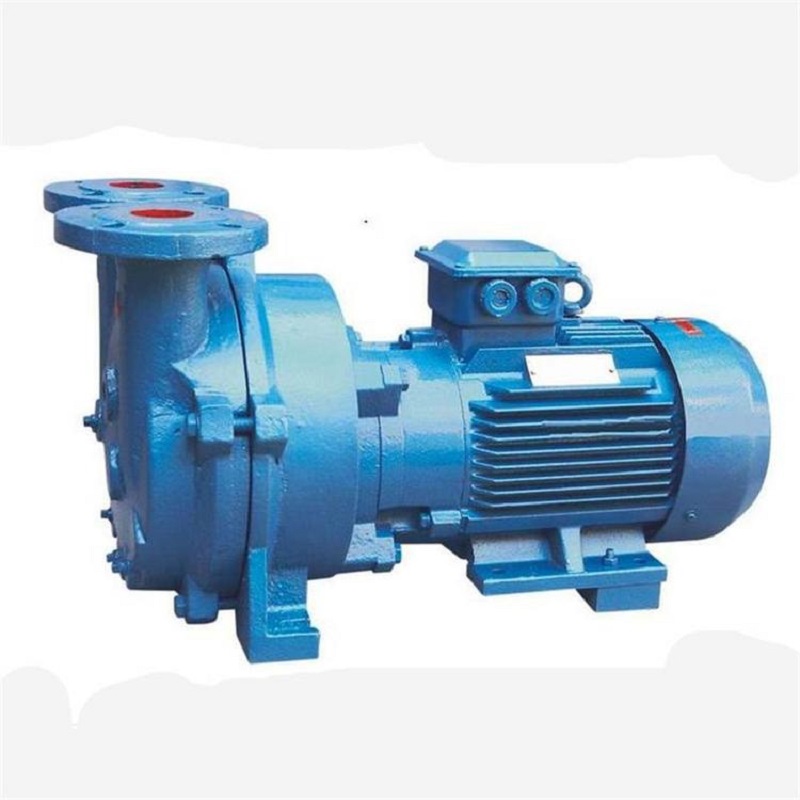
The NASH TC-7 stands out due to its double-stage compression structure, achieving a much lower ultimate vacuum of 20mbar abs compared to the 33mbar of single-stage pumps. Constructed from 316L stainless steel, it offers superior resistance to trace chloride ions and solvent vapor corrosion. The optimized flow channel design increases efficiency by 15% and reduces NPSHr to 1.8m, providing robust anti-cavitation capabilities. For those seeking high-performance liquid ring vacuum pumps, this model represents the pinnacle of reliability.
| Parameter | Original System (2BE1) | New System (NASH TC-7) | Improvement |
|---|---|---|---|
| Ultimate Vacuum | 33 mbar abs | 20 mbar abs | +13 mbar |
| Single Pump Power | 110 kW | 90 kW | -18.2% |
| Summer Vacuum Level | -88.0 kPa | -91.2 kPa | +3.2 kPa |
| Impeller Lifespan | < 1 Year | ≥ 5 Years | 500% Increase |
| Annual Power Saving | - | 900,000 kWh | Significant |
The implementation phase (May 2023 – August 2023) involved foundation reconstruction with vibration reduction, optimized "ring main + branch" piping layouts, and the installation of variable frequency drives (VFD). The intelligent control system now allows for:
Following a full year of operation (Sept 2023 – Aug 2024), the data confirms a transformative impact. The average vacuum improvement of 2.8kPa translates to a coal consumption reduction of 3.08g/kWh. Economically, the system saves approximately 540,000 RMB in electricity costs annually, with an investment recovery period of just 2.8 years. Environmentally, the project reduces CO2 emissions by about 7,000 tons per year and lowers site noise from 85dB to 72dB.
Conclusion:The NASH TC-7 parallel system is Suitable for large-scale thermal power plants and energy-intensive industrial facilities. The core advantage is its double-stage high-vacuum efficiency, N+2 redundancy reliability, and significant energy-saving potential through intelligent PLC integration。
Data Source:Power Plant Energy Efficiency Audit Report 2024,Updated on October 24, 2024。
Tel : +86-15880223078
WhatsApp : +86-13959235484
Email : vacuum@xiamenbest.com
Address : No. 19, Dongan Qianzhanli, Jimei District, Xiamen city china