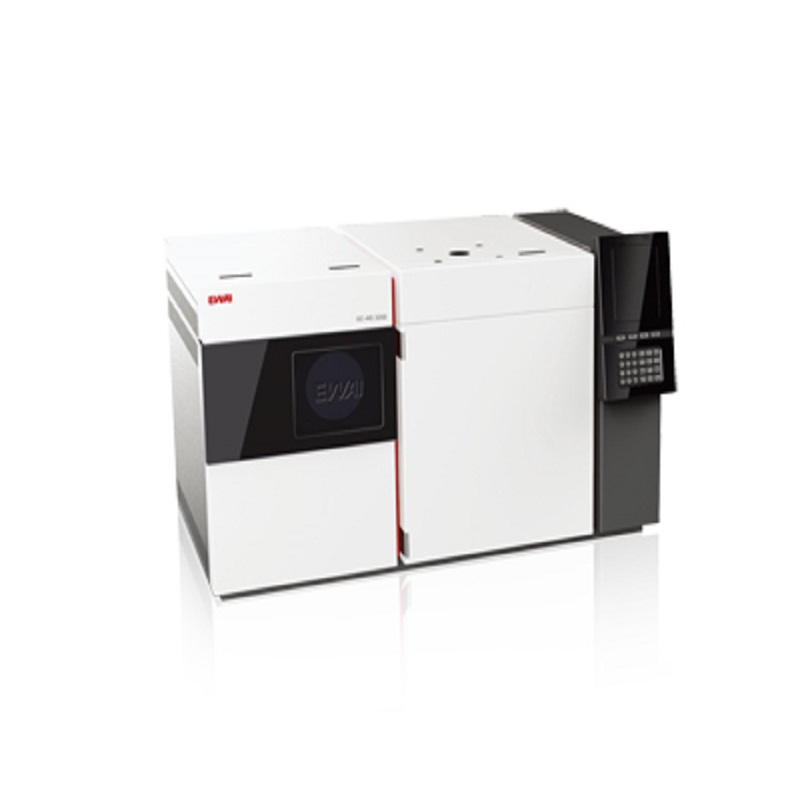
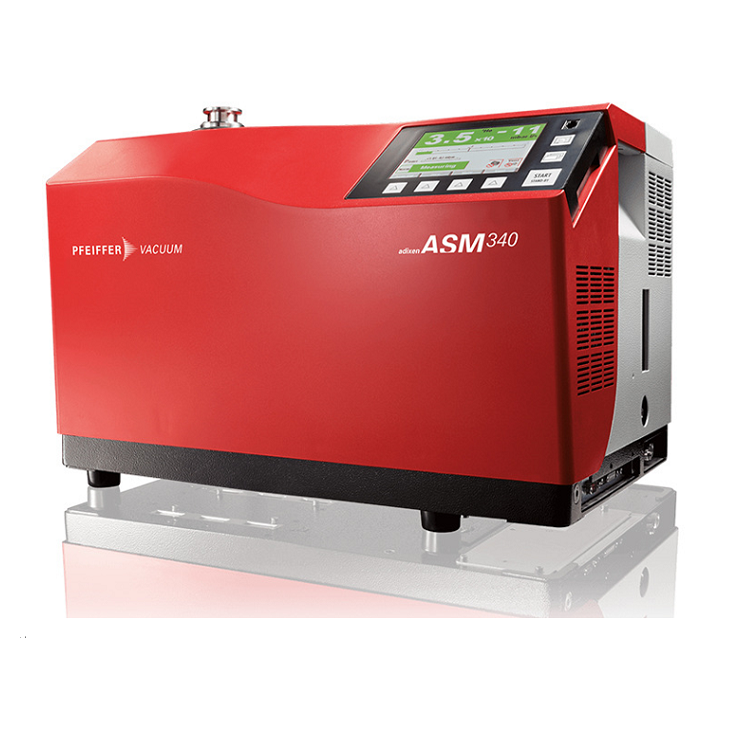
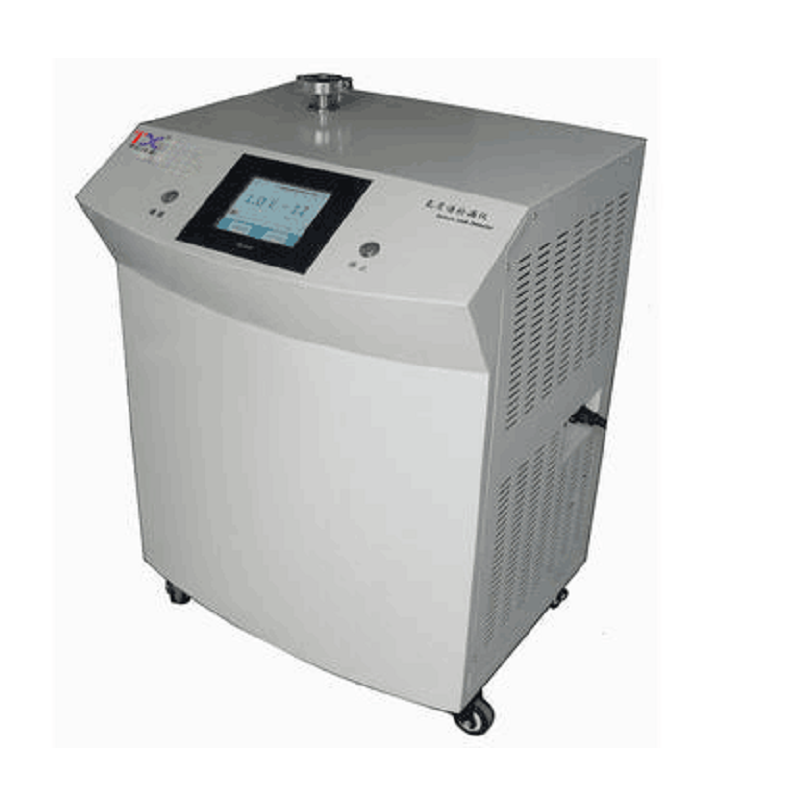
The following report summarizes a curated collection of real-world maintenance and repair successes for the INFICON UL1000 Fab helium leak detector, demonstrating rapid diagnostics, original-equipment-grade repairs, and precise verification in scientific research and semiconductor production environments. Each case highlights step-by-step troubleshooting, the repair strategy applied, and measurable outcomes that restored equipment performance and reduced downtime.
Case 1 — Repair of Leakage Fault in Oerlikon Turbomolecular Pump at Tianjin University
Customer background: An Oerlikon Leybold TMP361 turbomolecular pump in a high‑vacuum laboratory exhibited unstable vacuum levels during long‑term experiments. Suspected micro‑leakage threatened experiment accuracy and required urgent expert testing and repair.
Core requirements:
- Precisely locate the leak source in the turbomolecular pump.
- Bring the leakage rate to scientific research standards (≤2.0×10⁻⁹ mbar·L/s) after repair.
- Complete repairs rapidly to minimize experimental downtime.
Repair & testing process:
- On‑site diagnostics were performed by the maintenance team from Zhongshan Shared Optoelectronics using the INFICON UL1000 Fab. A full tightness test of the vacuum system indicated micro‑leakage with an initial measured leakage rate of 3.8×10⁻¹⁰ mbar·L/s — insufficient for the lab’s research precision.
- The pump’s sealing assembly was disassembled; aging O‑rings and damaged oil seals were replaced with original‑specification parts. (Spare parts and traceability documentation were provided.)
- After reassembly, the UL1000 Fab’s Smart‑Spray function was used to pinpoint residual micro‑leak paths and a second sealing optimization was performed.
Results & value:
- Final leak rate stabilized at 1.2×10⁻⁹ mbar·L/s, exceeding the customer’s scientific requirement.
- Complete on‑site diagnosis and repair were finished within 48 hours, preventing extended experiment suspension.
- Daily maintenance recommendations were delivered to the laboratory to extend pump service life.
For service coordination and access to original spec parts, customers may consult Taixing Pump service.
Case 2 — Repair of Pfeiffer Turbomolecular Pump at Nanchang University
Customer background: A Pfeiffer TMU071P turbomolecular pump used for vacuum coating began showing decreased pumping speed. Repeated self‑checks failed to find the cause, causing the coating yield to drop from 95% to 70%.
Core requirements:
- Recover pumping speed and ensure leakage rate meets required standards.
- Use repair methods and parts compatible with Pfeiffer‑branded design to avoid post‑repair compatibility issues.
Repair & testing process:
- Cross‑brand diagnostics exploited the UL1000 Fab’s wide detection range (10-4 to 10-12 mbar·L/s) to test vacuum lines and rotor seals. Results identified dynamic seal failure from worn rotor bearings and micro‑leaks at pipeline interfaces.
- Original‑grade alternative bearings (with certification) matched the Pfeiffer specifications and were installed; dynamic balance calibration was performed after replacement.
- Pipeline interfaces were reprocessed with high‑temperature‑resistant sealants. The UL1000 Fab’s I‑Zero background suppression removed environmental noise and continuous monitoring was performed for 12 hours to verify stability.
Results & value:
- Leakage rate stabilized at 8.5×10⁻¹⁰ mbar·L/s; pumping speed recovered to 98% of factory performance.
- Coating qualification rate returned to 96%, removing the production bottleneck.
- Demonstrated multi‑brand repair capability across Shimadzu, Pfeiffer, Oerlikon and others.
For details on compatibility testing and multi‑brand repair options, visit Taixing Pump support.
Case 3 — Repair of Abnormal Background Signal in UL1000 Fab at a Semiconductor Enterprise
Customer background: A leading semiconductor fab used an INFICON UL1000 Fab for continuous leak monitoring of process chambers. The instrument developed a persistent high background signal (>5×10-11 mbar·L/s), causing false leak readings and forcing the production line to slow from 120 wafers/hour to 80 wafers/hour, with losses exceeding RMB 20,000 per hour.
Core requirements:
- Repair the leak detector within 48 hours and restore background to normal (≤2×10-11 mbar·L/s).
- Return the production line to full capacity and secure stable ongoing operation.
Repair & testing process:
- Emergency response engineers arrived within 2 hours. UL1000 Fab self‑diagnostics identified ion source contamination and sensor attenuation.
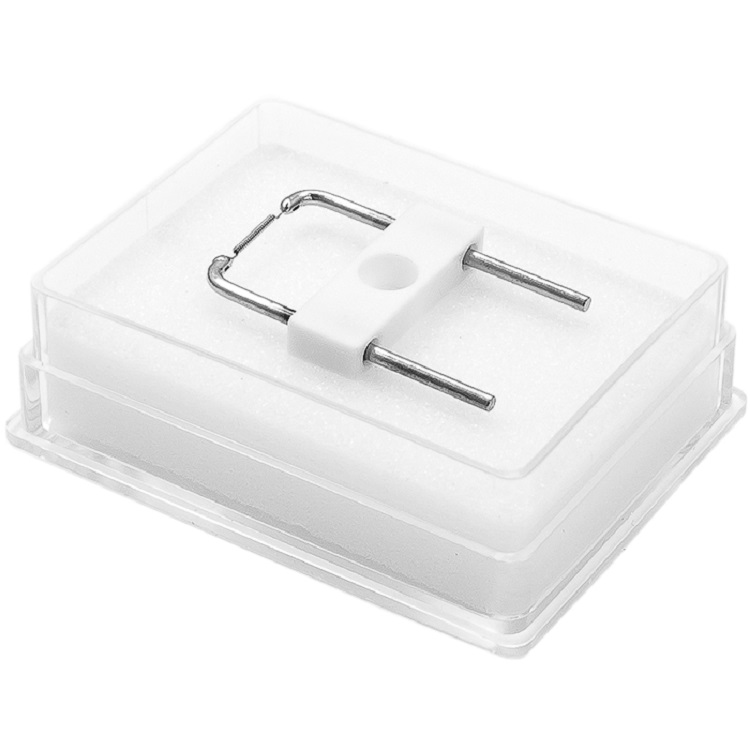
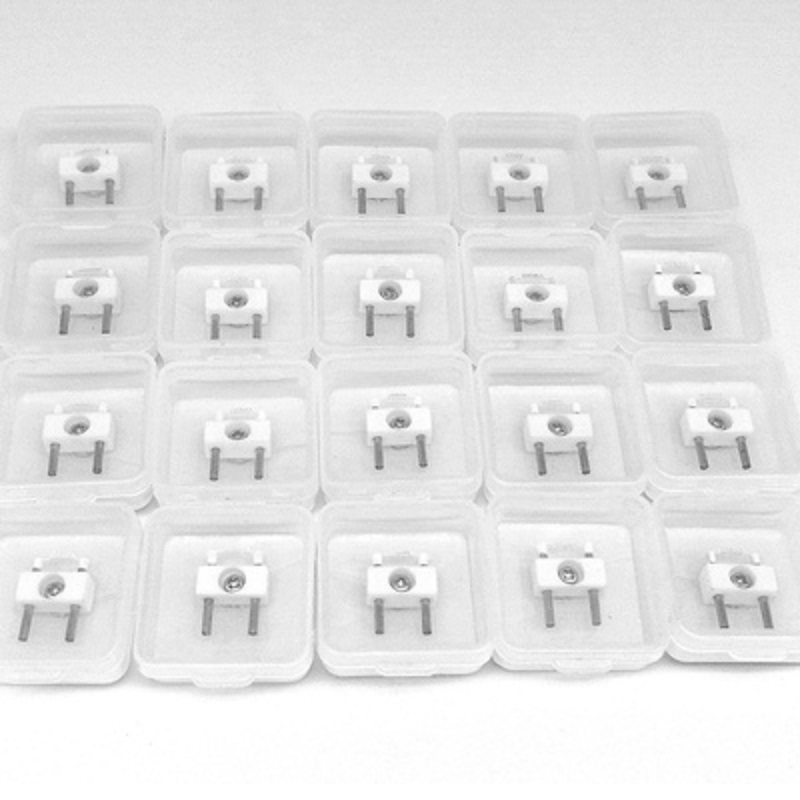
- Ion source and high‑precision sensor were replaced with INFICON original‑spec components (traceability provided). Ultrasonic cleaning removed residual process contaminants from the internal vacuum paths.
- On‑site calibration was performed by connecting the detector to a process chamber and verifying detection against a standard leak (1×10-11 mbar·L/s). Signal transmission and grounding were optimized to prevent electromagnetic interference.
Results & value:
- Post‑repair background signal stabilized at 1.5×10⁻¹¹ mbar·L/s with <1 second response time, meeting semiconductor production requirements.
- Production line returned to full capacity with minimized risk of false positives and continued 24/7 operation guaranteed by follow‑up service plans.
To arrange rapid emergency response or inquire about original‑equipment spare parts and certification, please contact Taixing Pump service. For technical consultation and multi‑brand support options, see Taixing Pump support.
These cases demonstrate that precise leak localization, the use of original‑grade components, and verified calibration with the INFICON UL1000 Fab enable rapid restoration of vacuum system performance across research and production settings — minimizing downtime and protecting experimental and manufacturing yields.